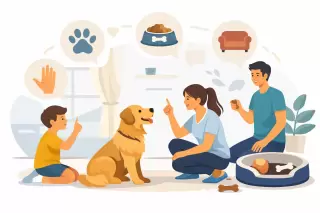
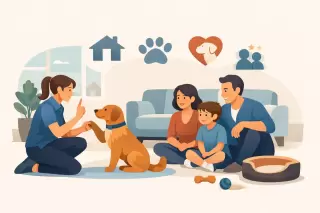
A puppy does not need an hour of drills to learn good manners. In fact, long sessions often create a tired, distracted puppy and a discouraged owner. The best training schedule for puppies is built around short lessons repeated throughout real life: before meals, at the door, during play, and on everyday walks.
That approach matters because puppies are learning all day, whether you plan a formal lesson or not. Every time your puppy jumps up and gets attention, pulls toward something exciting, or ignores a recall cue without guidance, they are practicing a behavior. A clear schedule helps your puppy rehearse the habits you actually want while keeping training positive and manageable for your household.
What Makes a Good Puppy Training Schedule?
A useful schedule is not rigid. It accounts for your puppy’s age, energy level, breed tendencies, sleep needs, and the distractions in your home. A calm puppy in a quiet household may be ready to practice for a few extra minutes. A busy, high-energy puppy with children, visitors, or another dog may do better with more frequent but shorter sessions.
For most puppies, aim for three to five mini-sessions each day. Each one can last just two to five minutes. Add training naturally to daily routines, then give your puppy plenty of time to sleep, play, chew, and simply be a puppy.
The goal is not to run through a long command list. Start with skills that make daily life easier: responding to their name, coming when called, sitting before greetings, settling calmly, walking without pulling, and leaving food or household items alone.
Best Training Schedule for Puppies: A Daily Routine
The easiest routine is one that uses moments already happening in your day. Rather than setting aside a single training block, plan a few small opportunities with a clear purpose.
| Time of day | Training focus | Keep it simple | | — | — | — | | Morning | Name response, recall, sit | Practice before breakfast or before going outside. | | Midday | Handling and calm behavior | Briefly touch paws, ears, collar, and reward relaxed cooperation. | | Afternoon | Leash skills and attention | Practice a few steps of loose-leash walking in a low-distraction area. | | Evening | Settle, leave it, polite greetings | Reward calm choices around family activity, food, and visitors. |
You do not have to complete every item perfectly each day. If your puppy is overtired, overstimulated, or struggling to focus, shorten the session and choose an easier task. A successful 90-second practice is more valuable than 10 frustrating minutes.
Morning: Start With Attention and Recall
Before breakfast is often a great time to practice because food is motivating and your puppy is not yet worn out by the day. Say your puppy’s name once. When they look at you, mark the moment with warm praise and give a small piece of their meal. Repeat a few times in different rooms.
Then practice recall from only a short distance. Cheerfully say your puppy’s name followed by your recall word, such as “come.” When they reach you, reward generously. Do not call your puppy over for something unpleasant, such as ending play or going into a bath, every time. You want coming to you to feel safe and worthwhile.
Midday: Build Comfort With Everyday Handling
Many future grooming, veterinary, and nail-trimming struggles begin when a puppy learns that being handled is uncomfortable or unpredictable. A few calm moments each day can make a major difference.
Touch one paw, offer a treat, and release. Briefly lift an ear, reward, and stop. Gently hold the collar, reward, and let go. Keep the experience light. If your puppy pulls away, do not force the issue. Make the next repetition easier and reward calm cooperation.
This is also a useful time to work on crate comfort or settling behind a baby gate. Give your puppy a safe chew or food toy while they relax for a short period. Independence is a skill, and it develops gradually.
Afternoon: Practice Leash Manners Before the Big Walk
Puppies often pull because pulling works. If moving forward gets them to a scent, a person, or another dog, they quickly learn that pressure on the leash is productive. Begin in a quiet part of the home, driveway, or yard before expecting polished behavior on a stimulating neighborhood walk.
Reward your puppy for being beside you with a loose leash. Take a few steps, reward, and stop while they are still successful. If the leash tightens, pause rather than dragging your puppy forward. Once they turn back toward you or loosen the leash, continue.
A short practice walk is not the same as your puppy’s full exercise outing. It is fine to let a puppy sniff and explore, especially in appropriate safe areas. The training piece is simply teaching them that checking in with you and walking on a loose leash also pays.
Evening: Teach Calm When Life Gets Busy
Evenings are when many families see jumping, barking, food stealing, and wild bursts of energy. This is not a sign that your puppy is being difficult. Often, they are overtired or have not yet learned what to do around exciting activity.
Practice a simple settle on a mat or bed while you prepare dinner, watch television, or greet a family member at the door. Reward your puppy for having four paws on the floor. If guests are coming over, use a leash, gate, or separate quiet area to prevent your puppy from rehearsing jumping while you work on polite greetings.
Management is part of training, not a shortcut. It protects your puppy from making the same mistake repeatedly while they learn a better response.
Adjust the Schedule as Your Puppy Grows
Eight to 12 Weeks: Keep It Gentle and Frequent
At this age, your puppy is adjusting to a new home, new people, and new routines. Focus on name recognition, potty routines, handling, following you willingly, and positive exposure to everyday sounds, surfaces, and household activity.
Keep training extremely short, often one to three minutes at a time. Socialization should not mean overwhelming your puppy with every dog, child, store, or noisy event possible. The better goal is calm, positive exposure at a pace your puppy can handle. Watch for signs of stress such as freezing, hiding, frantic pulling, yawning, or refusing treats.
Three to Six Months: Add Structure to Daily Manners
This is a good stage to strengthen recall, leash walking, sit, down, leave it, and polite greetings. Your puppy may be more confident and more curious, which can also mean more testing of boundaries. Consistency becomes especially important.
Begin adding mild distractions, but only one at a time. Practice recall in the yard before the park. Practice a sit before greeting one familiar person before expecting calm behavior around a crowd. Gradual progress builds reliable skills without asking too much too soon.
Six Months and Beyond: Expect Adolescence
Many owners feel blindsided when a puppy who seemed to understand everything suddenly becomes distracted, energetic, or selective about listening. Adolescence is normal. It does not mean training failed.
Return to easier versions of the skills, increase the value of rewards, and avoid giving commands you cannot help your dog follow. This is also the stage when leash pulling, poor recall, jumping, and excitement around other dogs can become more noticeable. Addressing these patterns early is far easier than waiting until they are firmly established.
When a Schedule Needs More Support
A home routine can teach a great deal, but some challenges need individualized guidance. If your puppy is fearful, reactive, guarding food or toys, panicking when left alone, or becoming difficult to manage around people or dogs, avoid relying on random advice or harsher corrections.
In-home training can be particularly helpful because the problem can be assessed where it happens: at the front door, around the kitchen table, on your usual walking route, or when the family is trying to settle down for the evening. K9 Manners works with owners in those real-life moments, helping both puppy and family understand the next practical step.
Your puppy will not remember whether every session was perfectly timed. They will remember the pattern you create: looking to you is rewarding, calm behavior gets noticed, and learning feels clear. Keep the sessions short, protect their rest, and let everyday life become the classroom.