A child racing through the front door, a dog barking at the excitement, and adults calling out instructions from across the room is not the moment to hope everyone “works it out.” To introduce dogs to children safely, plan for a calm first interaction, give the dog clear choices, and teach children what respectful behavior looks like.
Most dogs can learn to be comfortable around children. But children move differently, sound different, and often behave unpredictably from a dog’s point of view. A dog that is friendly with adults may still feel unsure around squealing, running, hugging, reaching hands, or toys being waved nearby. Good introductions protect the child, protect the dog, and prevent one uncomfortable moment from becoming a lasting fear.
Before You Introduce Dogs to Children, Set Up the Space
Start with management, not greetings. Before the child arrives or enters the room, make sure your dog has had a chance to go outside, settle, and burn off some excess energy. A dog who is already overstimulated, hungry, tired, or guarding a favorite resting place is less prepared to handle a new experience.
Choose a quiet area with enough room for everyone to move comfortably. Put away food bowls, chews, favorite toys, and anything your dog may guard. If your dog is used to a crate, bed, or gated room as a calm resting place, keep that option available. The goal is not to force the dog to participate. The goal is to let the dog observe and approach at a pace they can handle.
A leash can be useful during the first few minutes, especially with an energetic dog who jumps on visitors. Keep it loose. Pulling a dog tightly toward a child can create more pressure and make the dog feel trapped. If you need more control, use distance, a baby gate, or a separate room rather than relying only on leash tension.
Start With Distance and Let the Dog Choose
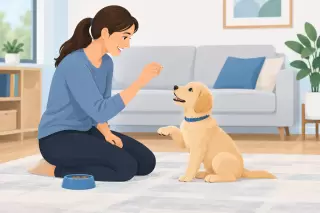
The safest greeting often begins with no greeting at all. Have the child enter calmly and sit or stand several feet away from the dog. Ask them to avoid staring, reaching, shouting, or running toward the dog. Your dog should be able to look at the child, sniff the air, and decide whether to come closer.
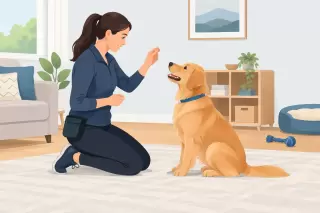
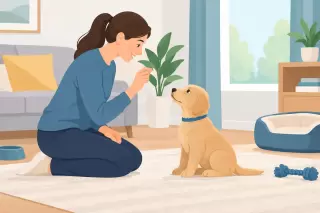
Reward calm behavior. If your dog looks at the child and remains relaxed, offer a small treat or quiet praise. If your dog chooses to approach with a loose body, soft eyes, and a wagging tail that is not stiff or frantic, that is a positive sign. Keep the interaction short and low-key.
Children often want to pet a dog right away. Instead, have the child toss a treat gently to the side of the dog rather than offering it from their hand. This allows the dog to associate the child with something pleasant without feeling pressure to get close. It also reduces the chance of accidental nipping around food.
If the dog walks away, turns their head, licks their lips, yawns, freezes, tucks their tail, or repeatedly seeks distance, respect that message. A dog walking away is making a good choice. Do not call them back for another attempt. Give them a break and try again later, if appropriate.
Keep petting brief and predictable
When both dog and child are calm, guide the child to pet the dog briefly on the shoulder or side of the chest. Avoid reaching over the dog’s head, grabbing the collar, or touching paws, ears, tail, or belly. After two or three seconds, have the child stop and see what the dog does.
If the dog leans in, stays relaxed, or returns for more contact, another brief pet is fine. If the dog turns away or steps back, the interaction is over. This simple pause gives the dog a voice and teaches children that affection is not something they are entitled to take.
Teach Children the Rules Before They Need Them
Young children are still learning impulse control, which means adult supervision must do most of the work. Even a gentle dog should never be left alone with a baby, toddler, or young child. Supervision means an adult is close enough to notice body language and step in immediately, not simply somewhere else in the house.
Explain dog rules in simple, repeatable language. Children can understand that dogs need space when they eat, sleep, chew a toy, or rest in their bed. They should not climb on a dog, hug tightly around the neck, pull fur, chase the dog, put their face close to the dog’s face, or take items from the dog.
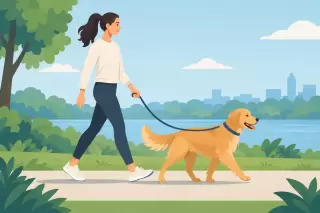
It helps to give children something positive to do instead of only telling them what not to do. They can toss a treat, help with a simple cue such as “sit,” walk calmly beside an adult during a leash walk, or read quietly while the dog rests nearby. These activities build positive associations without demanding too much from the dog.
Watch the Dog’s Body Language, Not Just the Tail
A wagging tail does not always mean a dog is happy. Dogs use their whole bodies to communicate, and families need to recognize when a dog is comfortable versus overwhelmed.
A relaxed dog usually has loose muscles, normal breathing, soft eyes, and an easy ability to move away or settle down. An uncomfortable dog may become very still, hold their body stiffly, show the whites of their eyes, pin their ears back, growl, snap, or retreat behind furniture.
Never punish a growl. A growl is valuable information that says the dog needs more space or that the situation has become too difficult. Punishing the warning may stop the sound without changing the discomfort behind it. That can leave a dog feeling they have no safe way to communicate before biting.
Instead, calmly separate the dog and child, assess what happened, and adjust the next interaction. Perhaps the child moved too quickly, the dog was tired, or there was a toy on the floor. The details matter because behavior is often tied to the situation, not just the dog’s personality.
Plan for the Dog You Actually Have
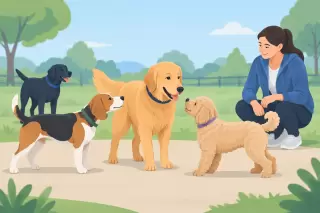
A confident adult dog, a bouncy adolescent, a tiny puppy, and a senior dog may all need different introductions. Puppies need gentle social experiences, but they can also become mouthy and overexcited. Senior dogs may have sore joints, reduced hearing, or less patience for unpredictable touch. Dogs with a history of fear, reactivity, resource guarding, or biting need a more cautious plan.
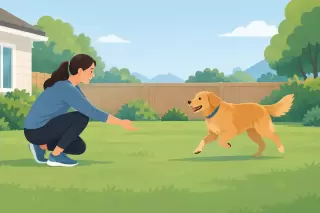
Do not assume a social dog enjoys every child or every setting. A dog may do well with calm older children but struggle around toddlers. Another may be comfortable indoors yet become overexcited in the yard. It depends on the dog’s history, training, energy level, health, and ability to recover after excitement.
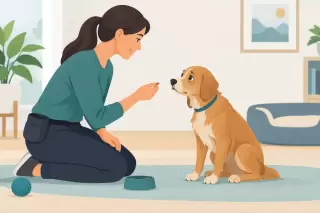
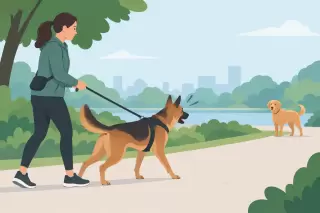
For dogs who jump, bark, guard items, or ignore cues when visitors arrive, practice the skills before a family gathering. A reliable place cue, calm leash handling, and a structured greeting routine can make a major difference. At K9 Manners, in-home training focuses on these real household moments, where your dog needs the skills most.
Give Both the Child and Dog Breaks
Even a successful introduction should be short. Children get excited, and dogs can become tired of being watched, touched, or followed. Build in quiet breaks where the dog can rest behind a gate, in another room, or on their bed with no one bothering them.
This is especially useful during holidays, birthday parties, and busy family visits. Your dog does not need to greet every guest or stay in the center of the activity to be part of the family. Sometimes the kindest choice is a quiet space away from the noise.
If you are bringing a dog into a home with children, or introducing a new baby to an existing dog, begin well before the big day. Practice calm routines, reinforce boundaries, and make gradual changes to the dog’s schedule. Waiting until everyone is stressed makes training harder.
When to Ask for Professional Help
Seek professional guidance before direct contact if your dog has growled, snapped, bitten, guarded food or toys, lunged on leash, or shown significant fear around children. The same is true if you feel anxious about managing the situation. Your concern is worth taking seriously.
A personalized plan can identify triggers, improve household routines, and teach practical skills without placing a child or dog in an unsafe situation. The best solution is not always more exposure. For some dogs, the right first step is distance, predictable management, and confidence-building work over time.
A calm relationship between dogs and children is built in small moments: a child giving space, a dog choosing to walk away, an adult noticing early signs of stress, and a family making room for everyone’s needs. Those moments create the trust that allows both your dog and your child to feel safe at home.