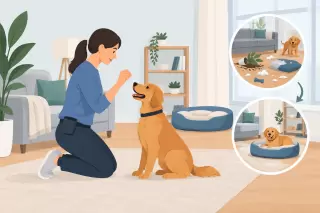
A dropped pill on the kitchen floor, a chicken bone near the sidewalk, the cat’s food left within reach – these are the moments when “leave it” matters most. When you teach dog leave it properly, you are not simply stopping a behavior. You are giving your dog a clear, reliable way to choose you over something tempting, exciting, or unsafe.
This cue can make daily life calmer for puppies, busy family dogs, and dogs that seem to find trouble before you even see it. It also takes practice. A dog will not understand “leave it” just because they hear the words during a stressful moment. Start small, reward the right choice generously, and build toward the real-life situations that matter in your home.
What “Leave It” Should Mean to Your Dog
“Leave it” means: do not move toward, touch, pick up, or continue focusing on that item. Instead, turn your attention back to me.
That last part is especially useful. A dog that only freezes while staring at a piece of food may still rush for it the second you move. A dog that learns to disengage and look at you is making a better decision, not just being physically blocked from the item.
Keep “leave it” separate from “drop it.” Leave it is for something your dog has not taken. Drop it is for an item already in their mouth. Teaching both cues gives you more options, but do not expect one command to do both jobs at first.
Before You Teach Dog Leave It
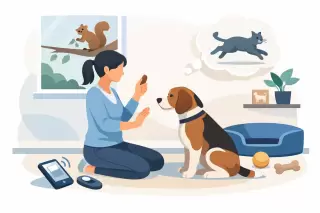
Choose rewards that are more valuable than the item your dog is being asked to ignore. For many dogs, regular kibble works for the first lesson. For a dog practicing around cheese, trash, or a squirrel outside, you may need small pieces of chicken, cheese, or another high-value treat.
Work in a quiet room with your dog on leash if needed. The leash is not there to correct your dog or pull them away. It simply prevents them from rehearsing the behavior you are trying to change. Training is easier when your dog can succeed before their excitement takes over.
Keep sessions short. Three to five minutes is plenty, especially for puppies or energetic dogs. Several quick wins throughout the day are more effective than one long session that ends in frustration.
Start With the Closed-Hand Game
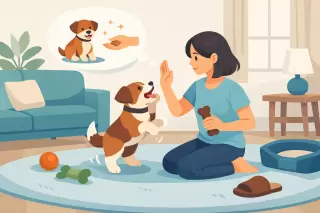
Put one low-value treat in a closed fist and let your dog notice it. They may sniff, lick, paw, or nose your hand. Stay quiet and still. Do not repeat the cue, push their face away, or tell them “no.”
The instant your dog pulls their nose away, pauses, or looks away from your hand, say “yes” or use your marker word and give them a different treat from your other hand. The reward should not come from the hand they were trying to get into. That helps make the lesson clear: leaving the item alone earns something better from you.
Repeat until your dog begins to back away quickly or looks at you as soon as they see the closed fist. Once that happens, say “leave it” once just before presenting your fist. Say the cue in a calm, normal voice. Repeating it five times teaches your dog that the first four times did not matter.
If your dog keeps pawing or becomes frustrated, make the exercise easier. Use a less exciting treat, increase the distance between your hand and your dog, or end the session and try again later. Frustration is information. It usually means the step is too difficult, not that your dog is being stubborn.
Move to an Open Hand
When your dog reliably backs away from the closed fist, place the treat on your open palm. If they move toward it, close your hand without speaking. When they back away or look at you, mark and reward with a treat from the other hand.
At this stage, your dog may understand the pattern but still be very tempted. That is normal. Wait for the choice to leave the food alone. Avoid waving the treat around or testing your dog for too long. You want many successful repetitions, not a contest of willpower.
Put the Treat on the Floor
The floor is where this skill starts to become useful, so raise the difficulty gradually. Place a treat on the floor and cover it with your hand or foot. Say “leave it” once. When your dog looks away from the treat, looks at you, or steps back, mark and reward from your hand.
When your dog can do that consistently, uncover the treat briefly. Cover it again if they make a move toward it. The consequence is simple and fair: trying to get the floor treat makes access disappear; leaving it alone earns a reward from you.
Eventually, you can stand beside the uncovered treat with your dog on leash. Ask for “leave it,” reward the moment they disengage, then walk away together. Do not allow your dog to take the practice treat as a release at the end. In real life, some items – medication, garbage, wildlife, or another dog’s food – should never become available just because the exercise is over.
Add Distance, Movement, and Everyday Distractions
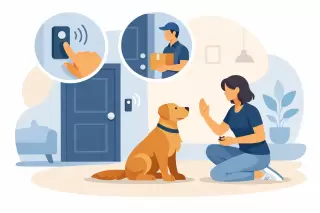
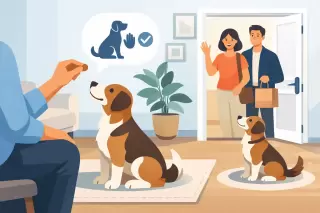
A cue learned in the kitchen is not automatically understood on a busy sidewalk. Dogs are very specific learners. Once your dog is successful indoors, practice in different rooms, near the front door, in the yard, and on quiet walks.
Start with enough distance that your dog can still think. If they lock onto a discarded napkin or another dog across the street, create more space before asking for “leave it.” Then reward the head turn, eye contact, or decision to walk with you. Asking too late, when your dog is already lunging or pulling hard, makes the cue much less likely to work.
Movement adds another challenge. You can roll a toy a short distance, then ask your dog to leave it. You can place food on a coffee table while you practice walking past it. For dogs that steal socks, begin with a boring sock on the floor while you are nearby, not the favorite item they grab when everyone is rushing out the door.
The goal is not to set traps for your dog. The goal is to rehearse good choices in situations that resemble your real routines.
Common Mistakes That Slow Progress
The most common mistake is using “leave it” only when your dog is already overexcited. If the first time your dog hears the cue is while charging toward a rabbit, the cue has not had enough practice behind it. Build the habit during easy moments first.
Another mistake is rewarding too slowly. In the early stages, reward immediately when your dog looks away. Waiting several seconds can make it unclear which action earned the treat.
Physical corrections, yelling, or grabbing items from your dog can also create problems. A dog may learn to snatch things and run away, guard the item, or avoid you when they have something. Calm management and consistent rewards build more trust and better responses over time.
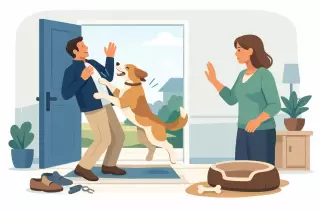
Finally, make sure everyone in the household uses the cue the same way. If one person says “leave it,” another says “no,” and someone else lets the dog take the item after a few seconds, the rule becomes confusing. A simple family plan helps your dog learn faster.
When Extra Support Helps
Some dogs need a more individualized approach. A puppy may be learning impulse control for the first time. A rescue dog may have a history of scavenging. A dog that growls, stiffens, or runs away with objects may be showing early resource-guarding behavior, which should be handled carefully rather than challenged.
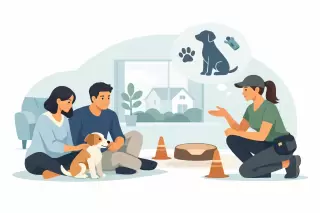
In-home training can be especially helpful because the hardest moments usually happen in familiar places: beside the kitchen counter, around children’s toys, at the front door, or during neighborhood walks. A trainer can adjust the exercise to your dog’s temperament and show your family how to practice safely in the situations you actually face.
At K9 Manners, the focus is on practical communication that fits your household, not a one-size-fits-all routine. The best “leave it” cue is one your dog can understand and use when it counts.
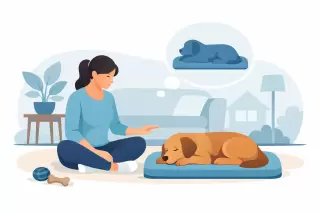
Practice when life is quiet, celebrate the small head turns and pauses, and keep tempting items managed while your dog is learning. Those ordinary repetitions are what create the calm, automatic response you will be grateful for when something unexpected lands on the floor.