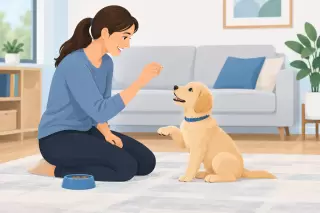
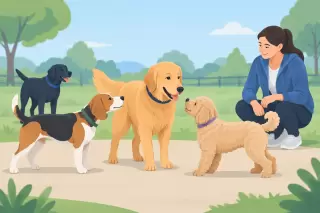
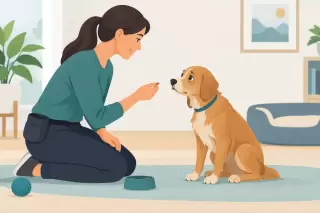
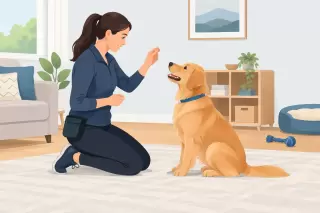
A backyard can be the perfect place to build a reliable recall – or the place where you discover that squirrels, smells, and a passing neighbor are more interesting than you are. When you practice recall in backyard sessions, the goal is not simply to get your dog to move toward you. You are teaching your dog that hearing their name and recall cue means something consistently good will happen.
A strong recall gives your dog more freedom and gives you more peace of mind. It matters for puppies learning the rules, energetic dogs who get carried away outside, and adult dogs who listen beautifully in the kitchen but seem to forget everything once they reach the grass.
Start Recall Practice in Your Backyard With a Simple Setup
Choose a quiet time when your dog has had a chance to use the bathroom and is not already focused on a major distraction. If your yard is not securely fenced, use a long line attached to a well-fitted harness. A long line lets your dog explore while preventing them from practicing the habit of ignoring you and running off.
Have small, high-value treats ready before you call. Kibble may work indoors, but outdoor training often requires something more exciting, such as small pieces of chicken, cheese, or a soft training treat. The reward should be safe for your dog and easy to eat quickly, so the session keeps moving.
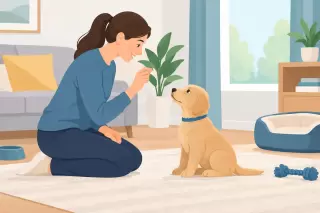
Begin close to your dog, just a few steps away. Say your recall word once in a warm, upbeat voice. Many families use “come,” while others choose a word they do not use in everyday conversation. The specific word matters less than using it consistently. When your dog turns toward you and comes in, reward generously right at your feet.
At first, there is no need to ask for a sit or hold your dog in place. The first lesson is simple: coming to you is worthwhile. If you immediately grab their collar, end the fun, or bring them indoors every time, your dog may start to see recall as bad news.
Make Coming to You Worth It
Dogs repeat behaviors that pay off. That does not mean you must carry treats forever, but it does mean that recall needs a strong history of good outcomes before you can expect it to work around distractions.
For early practice, reward every successful response. Give your dog several small treats in a row, offer calm praise, or add a quick game of tug if that is what they love. Then release them back to sniff or play. This “come, get paid, go back to fun” pattern is especially helpful because it teaches your dog that responding does not always end their freedom.
Use real-life rewards, too. If your dog wants to investigate a shrub, ask for a short recall first. When they come to you, reward them and release them to go sniff. If they want to chase a ball, call them in, reward them, then throw the ball. Access to the things your dog enjoys can become part of the paycheck.
Avoid calling your dog for things they dislike whenever possible. If it is time for a bath, nail trim, or the end of outdoor play, walk over and calmly bring them inside instead of using your recall word. Protect the meaning of the cue. You want your dog to think, “That word is always worth answering.”
Do Not Repeat the Cue
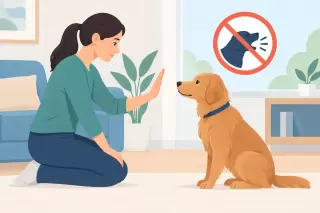
One of the most common recall problems starts with a dog hearing, “Come, come, come, come!” If your dog does not respond after the first cue, repeating it teaches them that the first few words do not matter.
Say the cue once, then help your dog succeed. You might move backward a few steps, make a cheerful sound, crouch down, or gently guide them toward you with the long line. Do not jerk the line or scold them when they arrive. Even if it took longer than you hoped, reward the arrival. Your dog has still made the correct final choice.
If your dog regularly needs help, the exercise is too difficult right now. Shorten the distance, reduce distractions, or improve the reward before trying again.
Add Distance Before Distractions
Many owners make recall harder too quickly by calling a dog away from a rabbit, a barking dog, or a busy fence line before the skill is ready. A more effective approach is to build one challenge at a time.
Once your dog is responding happily from a few steps away, increase the distance across the yard. Let them wander a little, call once, and reward when they arrive. Practice from different locations so your dog does not learn that recall only works when you stand beside the patio door.
Next, change what your dog is doing before you call. Try recalling them after light sniffing, looking at a leaf blowing across the lawn, or investigating a familiar corner. Keep the difficulty low enough that they can still succeed quickly.
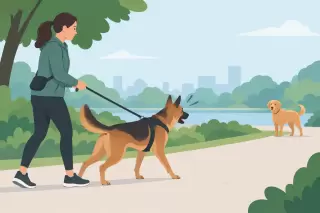
Only then should you work around bigger distractions. If a neighbor is mowing the lawn or a dog is walking past the fence, start far enough away that your dog can notice the distraction without becoming fixated. Call your dog before they are fully absorbed. A successful recall near a mild distraction builds more skill than several failed recalls beside an overwhelming one.
Use the Backyard Without Creating Fence Problems
Backyards offer room to practice, but they can also encourage unwanted habits. Dogs who spend time racing the fence, barking at passersby, or digging in one favorite area may be too aroused to respond well to a recall cue. Calling repeatedly while they are in that state can weaken the cue.
Instead, supervise outdoor time and interrupt escalating behavior early. If your dog notices movement beyond the fence, call them while they can still think and respond, reward them, then redirect them to a simple activity with you. Scatter a few treats in the grass, play a brief game, or move to a quieter part of the yard.
For dogs who are reactive, fearful, or highly frustrated by activity outside the fence, recall training should not be used as the only solution. The dog may need a plan that addresses the underlying emotional response, with enough distance and management to keep them under threshold.
Practice the Collar Grab Kindly
A dog who runs to you but dodges your hand is not fully recall trained. In a real safety situation, you need to be able to hold their collar or harness without making them nervous.
During easy backyard recalls, reward your dog when they arrive, then gently touch their collar, give another treat, and release them. Repeat this often without ending the fun. Over time, briefly hold the collar, reward, and let them go back to what they were doing.
This small exercise helps prevent the classic game of “catch me if you can.” It also makes it easier to secure your dog if a gate is open, a delivery person arrives, or something unexpected happens outside.
Know When to End the Session
Recall practice works best in short sessions. Five successful recalls over a few minutes can teach more than twenty repetitions after your dog has lost interest. End while your dog is still eager, and leave them with a final easy win.
Watch for signs that your dog is becoming tired, frustrated, overheated, or distracted beyond their current ability. A lower-value response does not mean your dog is stubborn. It usually means the environment is asking more than their training can support at that moment.
Reliable recall is built through hundreds of small, positive repetitions in different settings. Your backyard is an excellent starting point, but eventually your dog will need practice on walks, near new sounds, and in other safe environments. If recall has become a daily frustration, personalized in-home coaching can help you identify what is getting in the way and build a plan that fits your dog, your yard, and your routine.
The best recall sessions should leave your dog looking for you with a happy expectation. When coming to you consistently feels safe, rewarding, and clear, you are building a habit that can make everyday life much easier.