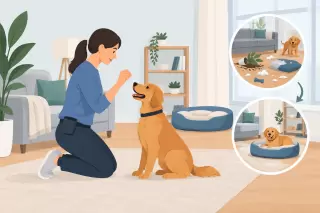
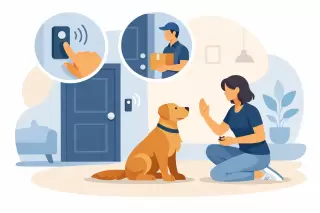
The doorbell rings, dinner is on the table, or the kids are racing through the living room – and your dog is suddenly underfoot. Learning how to train place command gives your dog a clear job in those moments: go to a designated spot, settle there, and wait until released. It is not about making a dog stay out of the way. Done well, place training creates calm, predictable communication that makes daily life easier for everyone.
A “place” can be a dog bed, raised cot, sturdy mat, or blanket. The specific item matters less than consistency. Your dog should be able to recognize it easily, lie down comfortably, and have enough space to turn around without hanging off the edge.
What the Place Command Teaches Your Dog
The place command means, “Go to your spot and remain there until I tell you otherwise.” That final part is what separates place from simply sending your dog to a bed for a treat. Your dog learns that the cue has a beginning and an end, and that getting up on their own does not end the exercise.
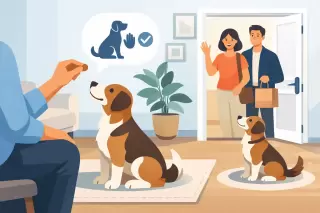
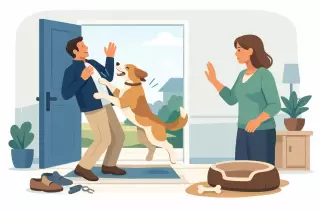
This skill is useful when guests arrive, while you bring groceries inside, during family meals, when children are playing, or when you need a few quiet minutes to answer the door. It can also support work on jumping, food stealing, overexcitement, and demanding behavior. Place is not a cure-all, though. If your dog is fearful of visitors, reactive toward people or dogs, or anxious when separated from you, the training plan may need to be adjusted to address the reason behind the behavior.
Choose a release word before you begin. It can be “free,” “break,” or “okay.” Try not to use a word you say constantly in normal conversation. The release cue is just as important as the place cue because it tells your dog exactly when the exercise is finished.
How to Train Place Command Step by Step
Start in a quiet room without company, food preparation, toys, or other distractions. Have small, easy-to-eat treats ready. If your dog is highly food motivated, use a portion of their regular meal for the early repetitions and save higher-value treats for more difficult practice.
1. Make the place worth choosing
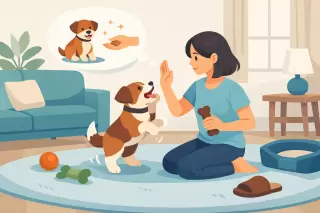
Put the bed or mat on the floor. Without saying anything yet, guide your dog toward it with a treat. The moment they put even one paw on the surface, mark the choice with a calm “yes” or a click and reward them on the mat.
Continue rewarding any interaction with the place: one paw, two paws, standing on it, then all four paws. Deliver treats low and between their front paws when possible. This encourages your dog to stay on the surface instead of stepping off to collect the reward.
Some dogs step onto a mat immediately. Others are wary of a raised cot, a slippery surface, or anything unfamiliar. Do not drag, push, or physically force a hesitant dog onto place. Use a flatter, more stable option first, then gradually introduce the bed or cot you want to use long term.
2. Add the cue once the movement is predictable
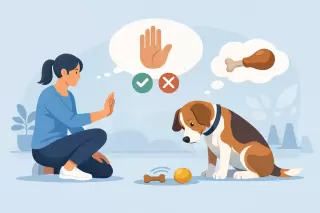
When your dog is readily stepping onto the place, say “place” once just before they move onto it. Then mark and reward as soon as they get there. The order matters: say the cue, allow the dog to respond, then reward the correct choice.
Avoid repeating “place, place, place” if your dog hesitates. Repeating a cue teaches many dogs that they do not need to respond the first time. Instead, pause, make the task easier by moving closer or using a treat lure, and try again.
At this stage, keep sessions short. Five successful repetitions are more valuable than fifteen sloppy ones. End while your dog is still engaged and has a clear picture of what earned the reward.
3. Teach your dog to settle, not just touch the mat
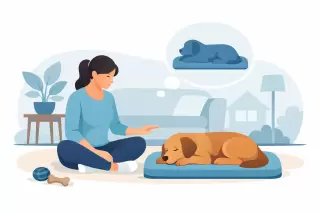
Once your dog can go to place on cue, reward them for remaining there. At first, give a treat every few seconds while all four paws stay on the mat. If your dog naturally lies down, calmly reward that too. You may also give your separate “down” cue once they are on place if your goal is a settled position.
Slowly stretch the time between rewards. Start with three seconds, then five, then ten. If your dog steps off, do not scold or rush to chase them back. Simply guide them back to place, reward the correct position, and make the next attempt shorter. Leaving the mat usually means the exercise became too hard too quickly, not that your dog is being stubborn.
4. Use the release word every time
After a few seconds of success, say your release cue in a friendly voice and encourage your dog to leave the place. This teaches them that staying put pays, and that they do not have to guess when they are allowed to move.
Many owners accidentally release their dog by reaching for a treat bag, walking away, or saying “good dog” in an excited tone. Keep your body language quiet while you are building duration. Reward on the mat, then use your release word before inviting your dog off.
Build Duration, Distance, and Distractions Slowly
A reliable place command is built in layers. First teach duration: your dog stays on the spot while you stand nearby. Next add distance: take one step away, return, and reward before your dog gets up. Add more distance one small step at a time.
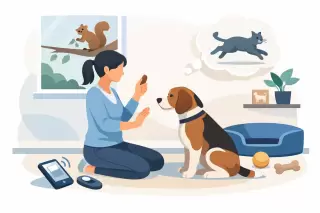
Only then begin working around everyday distractions. Sit on the couch. Open a cabinet. Walk past the mat. Pick up your keys. Practice while one family member moves around the room. Reward generously when your dog makes the right choice despite something interesting happening nearby.
Do not try to practice through every challenge at once. Asking a new puppy to remain on place for 20 minutes while guests enter, children run past, and food is being served is a big leap. If they fail, reduce the difficulty. A calm 30-second success in the right setting is real progress.
For dogs that struggle when you leave the room, begin with tiny departures. Step away, touch the doorknob, return, and reward. Then open the door, step through it briefly, and come back. The goal is to show your dog that staying on place is safe and worthwhile, not to test how long they can tolerate being alone.
Common Place Command Mistakes
The most common issue is moving too fast. Owners often teach the dog to step onto a bed, then immediately expect a long stay while life carries on around them. Build the skill as you would any other exercise: one manageable change at a time.
Another mistake is using place only when something unpleasant is about to happen. If your dog hears “place” only before being ignored for an hour or when noisy visitors arrive, they may begin to avoid the mat. Use it during calm parts of the day too. Send your dog to place while you fold laundry, watch television, or prepare coffee, and reward them for relaxing.
Consistency across the household matters. Everyone does not need to train exactly the same way, but family members should use the same cue and release word. Decide whether your dog may leave place to greet someone, to follow you to another room, or when they hear the doorbell. Clear rules prevent mixed messages.
Put Place Training Into Real Life
Once your dog understands the command in a quiet room, move the mat to the places where you need the skill most. Near the front door can help with visitor greetings. In the kitchen doorway can give your dog a safe spot while meals are prepared. A mat in the family room can replace pacing, barking, or constantly climbing onto guests.
Keep expectations fair. A young puppy may only manage a brief stay before needing a potty break, nap, or change of activity. A high-energy adolescent may need a walk, play session, or sniffing time before they can settle successfully. Training works best when your dog’s physical and mental needs are being met alongside obedience practice.
If place falls apart around visitors, doorbells, or household excitement, personalized coaching can make a major difference. Practicing inside your own home allows a trainer to see the layout, routines, and triggers that shape your dog’s behavior and help you create a plan that fits your family.
A good place command should not feel like a punishment for your dog or a constant battle for you. With short practice sessions, clear release cues, and realistic progressions, that simple mat can become one of the most useful tools for bringing calm back to your home.