The moment the leash comes out, your dog can suddenly forget every cue they know. A squirrel, a delivery truck, another dog across the street, or the smell of something interesting can take over. This guide to training distracted dogs will help you understand why that happens and, more importantly, how to build attention without turning daily life into a battle.
A distracted dog is not necessarily stubborn or trying to ignore you. Usually, the environment has become more rewarding than the cue you are giving. Training works best when you stop expecting perfect focus in the hardest situations first and start teaching your dog how to choose you, one manageable step at a time.
Why Dogs Lose Focus So Easily
Dogs experience the world through scent, movement, sound, and excitement. What looks like an ordinary walk to us can be packed with information for them. A dog that can sit nicely in the kitchen may struggle to respond outside because the kitchen is predictable while the sidewalk is full of changing sights and smells.
Age and temperament matter too. Puppies are still learning how to regulate themselves. Young, energetic dogs may have plenty of enthusiasm but little practice settling their attention. Some dogs become distracted because they are worried or overstimulated, especially around unfamiliar people, dogs, traffic, or loud noises. In those cases, asking for repeated commands can add pressure rather than improve listening.
The goal is not to make your dog uninterested in the world. It is to teach them that checking in with you is worthwhile, even when something else is happening nearby.
A Guide to Training Distracted Dogs Starts With the Right Setup
Before you work around major distractions, make the behavior easy enough for your dog to succeed. Choose a quiet room, use a reward your dog genuinely values, and keep sessions short. For one dog, a piece of kibble may be plenty. For another, especially outdoors, you may need small pieces of chicken, cheese, or another higher-value treat.
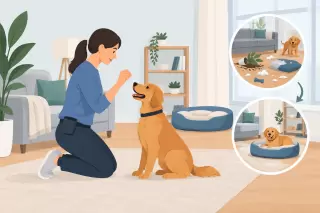
Start with attention, not a long list of commands. Say your dog’s name once. When they look at you, mark the moment with a cheerful word such as “yes” and give the reward. If they do not look, avoid repeating their name over and over. Move closer, reduce the distraction, or use a gentle sound to help them notice you. Then reward the choice to engage.
This simple exercise teaches an important lesson: hearing your name means something good may happen. It also gives you a practical way to regain connection before asking for a sit, come, heel, or leave it.
Make Rewards Match the Challenge
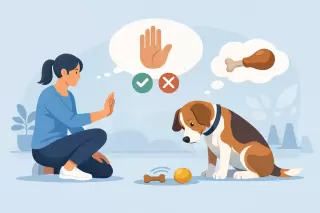
Dogs are always weighing options. If your dog is staring at a rabbit, one piece of dry kibble may not be enough to compete. That does not mean you are bribing your dog. You are paying them appropriately for difficult work while they learn a new habit.
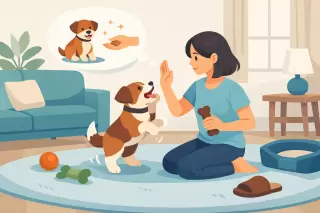
Use your best rewards for your hardest environments. Save lower-value treats and praise for familiar skills indoors or in quiet areas. You can also reward with life experiences when they are safe and appropriate. For example, if your dog looks at you before greeting a friend, the greeting itself can become part of the reward.
Build Focus in Small Steps
Training around distractions should progress gradually. If your dog can focus in the living room, practice in the backyard. When that is going well, work near the front door, then on a quiet section of the sidewalk. Only increase the challenge when your dog is responding consistently at the current level.
Distance is one of your most useful training tools. A dog may be able to notice another dog from across the street and still respond to their name. At ten feet away, they may be too excited, worried, or frustrated to think clearly. Creating more distance is not avoiding training. It is creating the conditions where learning can happen.
Watch your dog closely. If they are taking treats gently, looking back at you, and able to respond to simple cues, you are likely at a workable distance. If they are pulling hard, barking, staring, refusing food, or unable to turn away, the situation is too difficult. Calmly move farther away and give them a chance to recover.
Practice the Check-In
A check-in is simply your dog choosing to look back at you without being asked. It is one of the most useful habits you can build for walks, visitors, and busy household moments.
On a quiet walk, reward every voluntary glance toward you. You do not need to stop or ask for a formal sit. Just mark the glance and give a treat near your leg. Over time, your dog learns that paying attention to you is worthwhile, even when nothing dramatic is happening.
This is especially helpful for dogs that pull toward smells or scan constantly for activity. Instead of waiting until your dog is fully distracted, reinforce the small moments when they are already making good choices.
Teach Cues Before You Need Them
Recall, leave it, and loose-leash walking are often tested in the exact moments when a dog is least prepared to succeed. A reliable response begins long before the real-life challenge appears.
For recall, start indoors or in a fenced area. Say your dog’s name followed by your recall word once, then move backward a few steps. When your dog comes to you, reward generously. Do not call your dog over to end all the fun every time. Sometimes call them, reward them, and release them back to sniff or play. This helps prevent recall from meaning that good things are over.
For leave it, begin with an item your dog can easily ignore. Reward them for turning away from it and looking at you. Do not begin with food on the floor, a squirrel, or a dropped sandwich on the sidewalk. Those are advanced tests, not starting points.
Loose-leash walking also deserves practice in low-distraction places. Reward your dog for being near you and for keeping slack in the leash. If they pull, avoid dragging them forward toward what they want. Pause, change direction, or create distance until they can return to a loose leash. Consistency matters more than a perfectly straight route.
Avoid the Habits That Create More Distraction
Many well-meaning owners accidentally teach their dog to tune them out. Repeating a cue five times tells the dog that the first four times may not matter. Calling a dog when you cannot follow through can weaken recall. Pulling tightly on the leash may increase frustration and make your dog focus even more on the trigger ahead.
Try to give each cue once, then help your dog succeed. If they cannot respond, that is useful information. The distraction is too strong, the cue needs more practice, or your dog needs a break.
Long training sessions can also backfire. Five focused minutes before a walk may do more than twenty minutes after your dog is tired, overstimulated, or bored. End while your dog is still successful and willing to work.
When Distraction Is Really Stress or Reactivity
Not every distracted dog is simply excited. A dog that lunges, barks, freezes, growls, or panics around people or other dogs may be overwhelmed. In those moments, obedience cues alone are not the full answer. Your first priority should be safety, space, and helping the dog feel less trapped.
Avoid forcing greetings or bringing your dog closer so they can “get used to it.” For some dogs, that can make the reaction stronger. A personalized plan can identify what sets your dog off, how close they can comfortably be, and which skills will help them feel more secure.
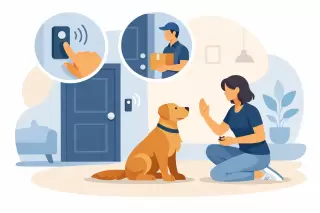
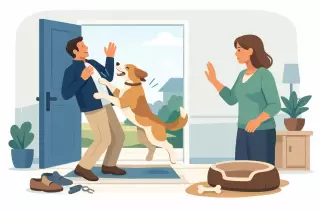
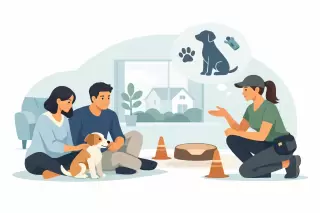
This is one reason in-home training can be so valuable. Distractions often begin at the front window, during arrivals at the door, on the driveway, or on the route you walk every day. Working in those real settings makes it easier to see the pattern and create practical changes for the whole household.
Make Focus Part of Everyday Life
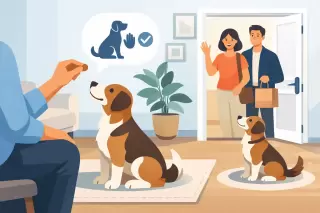
You do not need to set aside an hour every day to improve attention. Ask for a brief check-in before putting down the food bowl. Reward your dog for waiting calmly while you open the door. Practice a recall from one room to another. Reinforce four paws on the floor when someone comes home.
These small repetitions build a dog that understands how to listen when life gets busy. Be patient with the process. Focus is not a switch your dog either has or does not have. It is a skill built through clear communication, good timing, and many successful choices in the places that matter most.