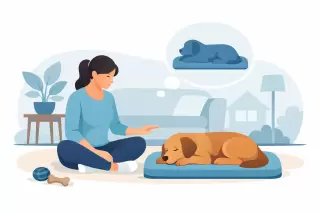
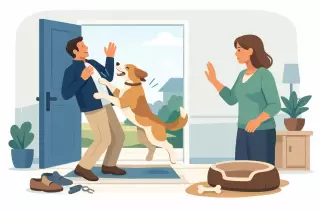
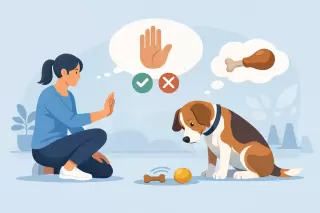
A puppy who jumps on visitors, grabs socks, or seems to forget their name the moment they step outside is not giving you a bad time. They are having a hard time understanding what works in a busy human household. Choosing a puppy trainer is about finding someone who can help your family build that understanding early, before everyday habits become bigger frustrations.
The right trainer should make you feel more capable, not judged. Puppy training is not simply a checklist of sit, stay, and down. It is a practical communication system that affects mornings, mealtimes, walks, visitors, and every other moment you share with your dog.
Start With Your Real-Life Needs
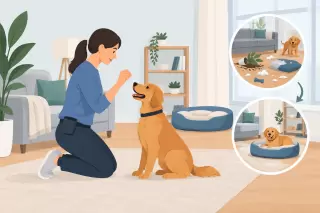
Before comparing trainers, take a clear look at what is happening at home. A young puppy may be friendly and bright but still pull toward every person on a walk, mouth hands during play, or have no idea how to settle while dinner is being prepared. Another may be cautious around strangers, overwhelmed by noise, or easily distracted outside.
Those details matter because a good plan should fit the dog in front of you and the household around them. A family with young children has different needs than a retired couple. A puppy living with an older dog needs different guidance than one adjusting to a first apartment. Training should account for your schedule, your dog’s temperament, and the situations you want to improve.
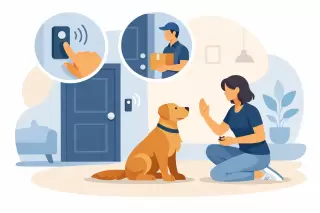
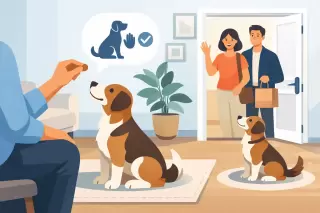
Write down the top three moments you would most like to change. For many owners, that is calmer greetings at the door, more enjoyable walks, and coming when called. This gives you a useful starting point when speaking with a trainer, and it helps you avoid choosing a program based only on a vague promise of a “well-behaved dog.”
What to Look for When Choosing a Puppy Trainer
Training styles, experience levels, and service formats vary widely. The best fit is not always the trainer with the longest list of commands or the fastest-looking result. Look for someone who can explain what they are doing, why it works, and how you will continue practicing between sessions.
A professional trainer should ask questions before offering a one-size-fits-all answer. They should want to know your puppy’s age, daily routine, health considerations, previous experiences, home setup, and the behavior that concerns you. They should also be comfortable explaining realistic expectations. Puppies learn quickly, but they are still puppies. Progress includes teaching the owner what to notice and what to do consistently, not expecting perfect behavior overnight.
Pay attention to how the trainer talks about mistakes. Fear, excitement, and distraction are not signs that a puppy is being stubborn or trying to be in charge. A thoughtful trainer helps you identify what your dog is communicating, then shows you how to guide a better choice with clear timing and manageable practice.
Credentials and professional memberships can be useful trust signals, but they should not be the only consideration. Ask about continuing education, puppy-specific experience, and the types of behavior concerns they regularly address. Just as important, make sure their communication feels respectful and understandable to you.
Ask How the Plan Will Be Personalized
A trainer should be able to describe what a first session may cover and how the plan will evolve. For example, a puppy that steals food may need management around counters and family meals, along with lessons in place, leave it, and settling. A puppy that pulls on leash may need work on attention, walking skills, and handling exciting distractions gradually.
Be wary of guaranteed timelines or promises to solve every issue in one appointment. Some families see meaningful changes quickly once they use clearer routines. Other concerns require more repetition, maturity, or a slower pace. Good training meets the dog where they are while still giving owners practical steps they can use right away.
Ask What You Will Be Expected to Do
No trainer can practice for you during every meal, walk, visitor arrival, or play session. The goal of professional support is to give you a plan you can use confidently in daily life. Ask how much practice is recommended, how the trainer will demonstrate techniques, and whether the lessons involve every person who regularly handles the puppy.
The answer should feel realistic. Short, well-timed practice woven into your routine is often more effective than one long session that is difficult to repeat. A trainer should help you build habits that work on a Tuesday morning when everyone is running late, not just during a quiet lesson.
Consider Where Training Takes Place
Group puppy classes can be a positive option for some dogs. They may offer planned social exposure and the opportunity to practice around distractions. For a confident, healthy puppy whose family can attend regularly, a well-run class can be helpful.
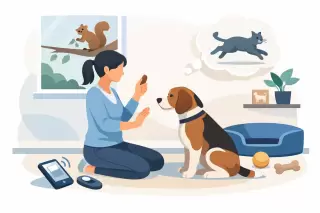
But group classes are not the best match for every household. Some puppies become overstimulated around other dogs. Others are nervous, very small, or so focused on the environment that the owner has little opportunity to learn the skills they need. A class also cannot fully recreate the moment your puppy rushes the front door, raids the kitchen, or barks at activity outside your own window.
In-home training brings the lesson to the places where behavior happens. Your trainer can see the doorway, leash route, furniture arrangement, family interactions, and daily triggers that shape your puppy’s choices. This can be especially valuable for first-time dog owners who want hands-on help using the right timing and handling skills in their actual routine.
For families throughout Durham Region, personalized in-home support can also remove a common barrier: getting a young puppy, children, and a busy schedule to a fixed weekly class. Convenience is not just a bonus when it makes consistent training more achievable.
Know the Difference Between Socialization and Social Overload
Many puppy owners are told to socialize early, which is true, but socialization does not mean letting your puppy greet every dog, child, or stranger they see. A puppy can be around new sights and sounds while learning that they do not need to rush toward or react to everything.
Ask a prospective trainer how they approach socialization. You want guidance that helps your puppy feel safe, curious, and able to recover from mild surprises. That may include calm exposure to household sounds, car rides, different surfaces, friendly visitors, and appropriate dogs. It should also include teaching your puppy to check in with you.
Too much stimulation can create the opposite of the calm confidence owners are hoping for. If your puppy is frantic, frozen, hiding, barking intensely, or unable to take treats, they may need more space and a gentler plan. A skilled trainer will recognize that difference rather than pushing a puppy through discomfort.
Watch for Clear, Humane Communication
You do not need to become an expert in training terminology to choose wisely. You do need to understand how your trainer plans to teach. Look for clear explanations, patient demonstrations, and methods that support trust while setting consistent boundaries.
A good trainer will show you how to prevent unwanted behavior from being practiced repeatedly, reward the choices you want more often, and respond calmly when your puppy gets it wrong. They should be able to adjust an exercise if your puppy is confused, tired, scared, or overexcited.
You should leave a conversation feeling informed, not pressured. If a trainer dismisses your questions, relies on intimidation, or makes you feel that your puppy needs to be dominated, keep looking. Training is most useful when it strengthens your ability to guide your dog with confidence and consistency.
Make Sure the Trainer Supports the Whole Household
Puppies notice patterns quickly. If one person allows jumping while another corrects it, or if everyone uses a different cue for coming when called, the puppy receives mixed information. This is common, not a failure. It simply means the training plan needs to include the people who live with the dog.
Ask whether family members can take part in sessions and how the trainer helps everyone use the same words, expectations, and routines. This is particularly helpful when children are involved. Adults need practical ways to supervise interactions, protect the puppy’s rest time, and teach gentle, predictable handling.
The best trainer will not hand you a list of rules and disappear. They will help turn those rules into routines that suit your home. That might mean setting up a calmer arrival routine for guests, creating a plan for meals, or practicing recall in stages before expecting reliability in a busy park.
Trust the Fit, Not Just the Sales Pitch
After speaking with a trainer, ask yourself a simple question: can I picture learning from this person in my home? Professional knowledge matters, but so does rapport. You need someone who listens carefully, explains without talking down to you, and understands that living with a puppy can be joyful, tiring, messy, and occasionally overwhelming.
K9 Manners approaches puppy training as one-on-one coaching for both the dog and the owner, with lessons built around the real situations families want to improve. That personal attention can make a meaningful difference when you need help applying training in the moments that matter most.
Choose a trainer who gives your puppy a fair start and gives you practical tools for the days ahead. The goal is not a puppy who performs for a lesson. It is a dog who understands your family, trusts your guidance, and can grow into a calm, enjoyable companion at home and beyond.