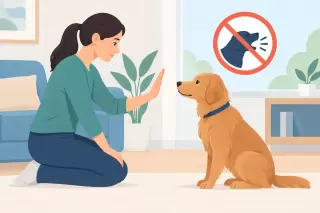
Your dog may sit perfectly when there are no distractions, then jump on visitors, pull down the driveway, or ignore you when dinner is on the counter. That gap is exactly why many owners ask what happens in private dog training. The answer is practical: training takes place around the real situations that are making life with your dog harder, with one-on-one coaching for both you and your dog.
Private training is not about putting your dog through a generic set of commands and hoping they stick. It is about understanding why a behavior is happening, teaching a clearer alternative, and helping your household practice it in a way that works on an ordinary Tuesday night.
What happens in private dog training sessions?
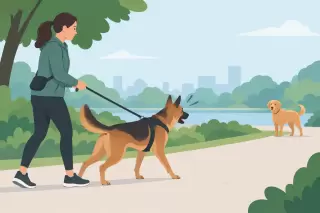
A private session usually begins with a conversation about your dog, your home, and the moments that cause the most frustration. A trainer will want to know your dog’s age, history, daily routine, energy level, and how each family member responds to behavior. A young puppy who chews shoes needs a different plan than an adult dog who lunges on walks or a nervous dog who barks when the doorbell rings.
Then comes observation. In an in-home setting, that may mean seeing how your dog reacts when someone enters, how they behave near the kitchen, or what happens when you pick up the leash. This matters because behavior is often tied to the environment. A dog that appears calm in a class may still struggle at home when the mail arrives, children are moving through the hallway, or food is within reach.
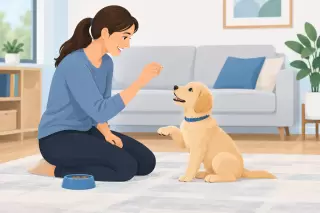
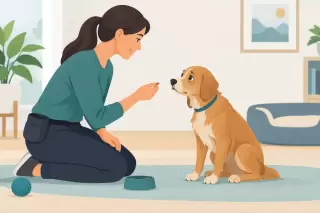
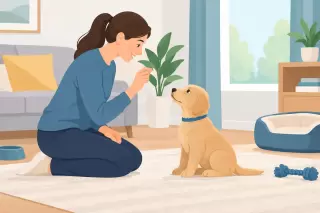
From there, the trainer demonstrates techniques and coaches you as you practice. You are not expected to stand back while someone else trains your dog. The goal is to give you clear timing, handling skills, and language your dog can understand. Your trainer may adjust the exercise as they watch your dog respond, making the lesson easier or more challenging at the right pace.
By the end of the session, you should know what to work on, how often to practice, and what progress should look like. Good private training leaves you with a realistic plan, not a long list of commands to memorize.
Training focuses on the behavior you live with every day
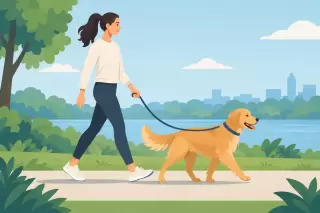
Private dog training is especially helpful because it can address the exact issues affecting your routine. If your dog pulls on walks, the lesson can start at your front door, where excitement often begins. If they jump on guests, training can include the entryway and the sounds that usually trigger the behavior. If recall is unreliable, the trainer can help you build the foundation before expecting your dog to respond around bigger distractions.
Common goals include polite greetings, leash manners, coming when called, settling in the house, leaving food alone, and listening when distractions are present. For puppies, sessions often focus on house rules, chewing, nipping, crate routines, socialization guidance, and early obedience. For high-energy or easily distracted dogs, the plan may put more emphasis on impulse control and giving that energy a useful outlet.
Not every concern is solved in one appointment. Some dogs make a quick change once owners learn a clearer way to respond. Other behaviors, especially those connected to fear, reactivity, or a long-standing habit, need steady practice over time. Private training gives you a starting point that is tailored to the dog in front of you rather than a one-size-fits-all timeline.
The trainer works with the whole household
Dogs notice inconsistency quickly. If one person allows jumping while another corrects it, the dog receives mixed information. If a child uses one cue and an adult uses another, progress can slow down even when everyone has good intentions.
That is why private sessions often involve the people who live with the dog. Each person can learn how to give a cue, reward the right choice, and respond when the dog makes a mistake. The approach can also be adapted for busy families, seniors, first-time dog owners, or homes with more than one pet.
The aim is not perfection from every family member. It is a shared routine your dog can recognize. Clear boundaries and calm follow-through usually do more for everyday behavior than repeating a command louder and louder.
Why training at home can make a difference
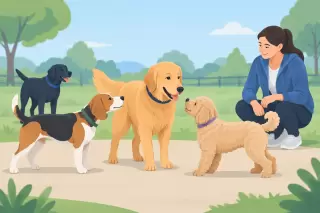
Group classes can be valuable for dogs that are comfortable around other dogs and people, and they can offer useful social practice. But they are not always the best first setting for every dog or every problem. A reactive dog may be too overwhelmed to learn in a busy room. A small puppy may become intimidated. An owner dealing with counter surfing will not get much practice in a training facility without a kitchen counter.
At home, distractions can be introduced gradually and purposefully. Your dog can learn in a familiar place before being asked to perform the same skill on a sidewalk, at a park, or around visitors. That progression helps build confidence without asking too much too soon.
In-home training also removes the stress of loading up the dog, traveling to a set class time, and trying to discuss a personal behavior concern in front of a group. For families throughout Durham Region, private appointments can make getting professional help more manageable while keeping the focus on their own dog.
What you will need to do between sessions
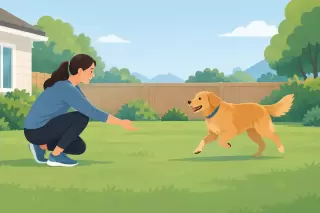
The trainer provides the plan, but the everyday practice is what turns a lesson into a reliable habit. Fortunately, practice does not need to take an hour each day. Short sessions built into normal routines are often more effective. You might practice waiting at the door before a walk, asking for a calm settle while you make coffee, or rewarding your dog for coming to you in the backyard.
Consistency matters more than intensity. A dog learns faster when the same cue means the same thing and the response from people is predictable. Your trainer can help you decide when to use food rewards, praise, toys, structure, or management tools such as gates and leashes. The right choice depends on your dog and the behavior being taught.
There will be imperfect days. A dog may do well at home and struggle when a delivery person appears. They may respond beautifully for one family member and test another. That does not mean the training failed. It usually means the skill needs more practice in that specific situation, or the distraction level was increased too quickly.
Questions are part of the process
Private training gives you room to ask the questions that do not always fit into a group class. Should you repeat a cue? What do you do when your dog will not listen outside? Is your puppy playing too roughly, or are they overtired? How should you handle guests who encourage jumping?
Those details matter because they are where owners often feel stuck. A trainer can explain the reason behind a recommendation and adjust it to your household rather than offering advice that sounds good but is difficult to follow in real life.
What results should you expect?
You can expect a clearer plan, better communication, and practical tools for handling the moments that currently feel chaotic. You may see early improvements quickly, particularly when a dog finally understands what earns attention or access to something they want. Reliable behavior, however, comes from repetition in different situations.
The most useful measure of progress is not whether your dog performs like a robot. It is whether daily life becomes easier. Maybe visitors can enter without being jumped on. Maybe walks stop feeling like a tug-of-war. Maybe you can call your dog away from the kitchen instead of chasing them. Those changes build trust on both ends of the leash.
Private dog training gives you a chance to replace guesswork with a plan that fits your dog, your home, and your family. Start with the behavior that is affecting your day the most, practice the small steps consistently, and let those calmer moments become part of your normal routine.