A dog who has spent years pulling toward every squirrel, jumping on visitors, or ignoring “come” can make an owner feel like the habits are permanent. But can older dogs learn obedience? Absolutely. Older dogs can learn new behaviors, build better routines, and become more responsive when training is clear, patient, and suited to their physical needs.
Age does not close the door on training. What changes is the approach. A senior dog may need shorter sessions, gentler movement, and more time to adjust to a new routine. An adult dog with years of practice doing things their own way may need extra consistency from everyone in the home. Neither situation means obedience training is out of reach.
Can Older Dogs Learn Obedience? Absolutely
Dogs do not stop learning after puppyhood. They continue to notice patterns, respond to rewards, and connect their actions with outcomes throughout their lives. In fact, many older dogs learn well because they are calmer than puppies and better able to focus for brief periods.
The challenge is usually not a dog’s age. It is history. If your dog has been allowed to rush the front door for eight years, that behavior has been practiced thousands of times. Training does not erase the habit overnight, but it can teach a more useful replacement, such as going to a mat when the doorbell rings.
The same is true for leash pulling, stealing food from the counter, barking at windows, or coming only when it is convenient. These are learned routines, which means they can be changed. The goal is not to make an older dog act like a puppy. It is to make everyday life easier, calmer, and safer for both of you.
Start With Health and Comfort
Before beginning a new obedience plan, consider whether a physical issue could be affecting behavior. Arthritis, dental pain, hearing loss, reduced vision, thyroid concerns, and cognitive changes can all make a dog seem stubborn, distracted, or less willing to cooperate.
A dog who suddenly refuses to sit may be uncomfortable bending their hips. A dog who hesitates on walks may be dealing with joint pain rather than refusing to listen. A dog who startles when approached may not hear people coming as clearly as before. If a behavior change is sudden or unusual for your dog, a veterinary checkup should come before assuming it is a training problem.
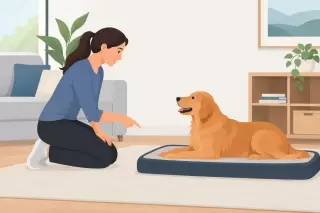
Once health concerns are addressed, training can be adjusted around your dog’s abilities. A large, older dog does not need repeated sits on a hard floor to learn polite greetings. They may do better learning to stand calmly behind a boundary or settle on a comfortable bed. Good obedience training respects the dog in front of you.
Focus on the Behaviors That Matter Most
You do not need to teach a long list of tricks to see meaningful improvement. For most families, the best place to start is with the situations that create daily stress. That may be pulling down the driveway, charging guests, refusing to come inside, or begging during dinner.
Choose one or two priorities first. If your dog pulls hard on walks, work on leash skills before expecting perfect recall at a busy park. If visitors are stressful, focus on a reliable place command and calm greetings before adding more advanced exercises. A dog who understands what is expected in one common situation will build confidence faster than a dog overwhelmed by too many new rules.
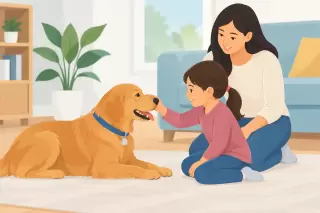
This is also where personalized training makes a real difference. The right solution depends on your dog, your home, and your routine. A dog who steals food may need training around kitchen boundaries. A dog who jumps on children may need a different setup than one who jumps only when adult guests arrive. Training in the environment where the problem happens makes the lesson practical from the start.
Keep Sessions Short, Clear, and Rewarding
Older dogs often respond best to brief training sessions woven into normal life. Three focused minutes before a meal can be more effective than a long session after your dog is already tired or frustrated.
Use a cue once, help your dog make the correct choice, then reward that choice right away. Rewards can include small treats, praise, a favorite toy, access to the yard, or permission to greet someone. What matters is that your dog finds the reward worthwhile.
Clarity is especially important for a dog learning new expectations after years of mixed messages. If one person says “off,” another says “down,” and a third allows the dog on the couch sometimes, your dog has little reason to understand the rule. Pick simple cues and have the household use them consistently.
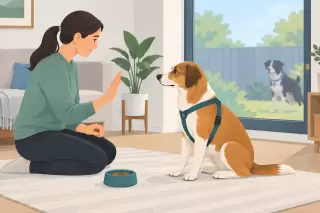
For many older dogs, hand signals are helpful alongside verbal cues. They are useful for dogs with reduced hearing, but they also give any dog another clear piece of information to follow. A raised hand for “stay,” a point toward a bed for “place,” or a lure into position can make learning easier without adding pressure.
Replace Old Habits Instead of Only Correcting Them
Telling a dog what not to do is rarely enough. If your dog jumps on guests, they need to learn what to do when the door opens. If they bark at the window, they need an alternate task that is more rewarding and easier to repeat.
For example, rather than repeatedly saying “no” when your dog rushes the front door, teach a routine: hear the doorbell, go to the mat, stay there, and receive a reward. At first, this may mean practicing with no real visitors and rewarding small successes. Over time, the routine becomes familiar.
Leash pulling works the same way. Your dog needs more than a correction after reaching the end of the leash. They need to learn that walking near you keeps the walk moving forward, while pulling does not get them closer to the smell, person, or dog they want to reach. Progress can be gradual, particularly if the pulling habit is years old, but consistent practice changes the pattern.
Adjust Expectations for Senior Dogs
Obedience does not have to mean rigid performance. An older dog may never move with the speed of a young dog, and that is perfectly fine. The standard should be realistic and useful: Can your dog walk safely? Can they come when called in the yard? Can they settle when visitors arrive? Can they stop before rushing through an open door?
Training should also fit your dog’s energy level and mobility. Avoid asking for repeated jumps, fast turns, long stays on cold surfaces, or extended walks beyond their comfort. Use non-slip rugs if your dog struggles on hardwood floors. Keep treats small if weight management is a concern. Give your dog enough rest between sessions.
Some older dogs need more repetition before a new cue becomes reliable. Others learn quickly but need help generalizing the behavior. A dog may sit beautifully in the kitchen, then forget the cue when a friend visits or a squirrel appears outside. That is normal. Practice gradually in different rooms, on walks, and around manageable distractions.
The Owner’s Consistency Makes the Difference
A professional trainer can teach you the plan, demonstrate the timing, and help you work through setbacks. But the strongest results come from what happens between sessions. Every calm greeting, successful recall, and loose-leash step is a chance to reinforce the behavior you want.
That does not mean training needs to take over your day. Use ordinary moments. Ask for a sit before putting down the food bowl. Practice waiting at the door before a walk. Reward your dog for settling on their bed while you make dinner. Call them to you in the house, reward them, and let them go back to what they were doing so “come” does not always mean the fun is ending.
If your dog has a long-standing behavior issue, expect some uneven days. A noisy delivery, a new visitor, or a stressful walk can make an old habit reappear. That is not failure. It is information about where your dog needs more support and practice.
When In-Home Help Is Especially Useful
Older-dog obedience training can be straightforward, but some situations benefit from one-on-one guidance. This is particularly true when behavior involves fear, reactivity, guarding, intense pulling, or conflict between household members about how to handle the dog.
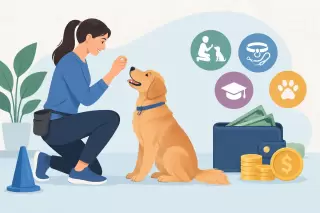
In-home training allows the plan to be built around your actual space and routine. The trainer can see where your dog waits for food, reacts to passersby, pulls toward the driveway, or greets guests. For families in Durham Region, K9 Manners provides this kind of personalized support so training addresses daily life rather than a one-size-fits-all classroom exercise.
Your older dog does not need a perfect past to have better manners now. Start with one meaningful goal, keep the steps comfortable and consistent, and celebrate the small wins that make your home feel calmer each day.