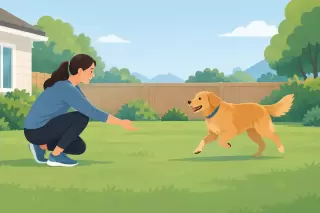
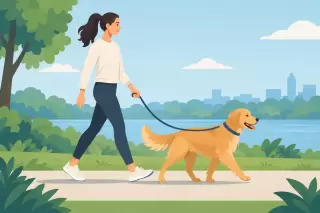
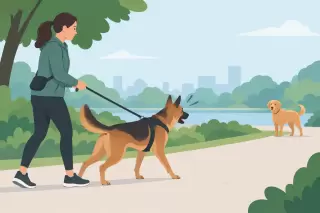
A dog who ignores “come” at the park can turn a pleasant walk into a stressful chase. Does training improve recall? Yes, when training teaches your dog that coming to you is worthwhile, clear, and consistently expected – not something that only happens when playtime is over.
Recall is more than a party trick. It is one of the most useful safety skills your dog can learn. A dependable response can help when a leash slips, a gate is left open, or your dog spots a squirrel across the yard. It also makes everyday life easier, from calling your dog away from the kitchen to getting them inside before work.
The key is understanding what training can realistically do. Practice can greatly improve recall, but no dog becomes reliable through repetition alone. Your timing, the environment, your dog’s motivation, and the way you respond when they finally come all matter.
Does Training Improve Recall in Every Dog?
Training can improve recall in puppies, adult dogs, rescue dogs, and energetic dogs, but the starting point will look different for each one. A young puppy may happily follow you from room to room but have very little ability to focus outdoors. An adult dog may know their name and basic commands but have learned that “come” often means leaving something fun.
Dogs do not ignore recall to be stubborn or to give you a hard time. Usually, the distraction is simply more rewarding than what is happening near you. Another dog, an interesting smell, a running child, or a piece of dropped food can be difficult competition.
That is why recall training should not begin with the hardest situation. If your dog cannot come away from a toy in the living room, expecting them to turn away from squirrels at a busy trail is unfair. Start where your dog can succeed, then gradually build the skill around more distractions.
Why Recall Gets Better With the Right Practice
A recall cue becomes meaningful through repeated associations. When you say “come” and your dog reaches you, something good should happen. That may be a small, high-value treat, praise, a favorite toy, permission to sniff again, or a quick game. Your dog learns that moving toward you pays off.
Just as important, your cue needs to stay clear. Choose one word or phrase, such as “come” or “here,” and use it consistently. If everyone in the household uses different words, repeats the cue five times, or calls the dog in a frustrated tone, the message becomes muddy.
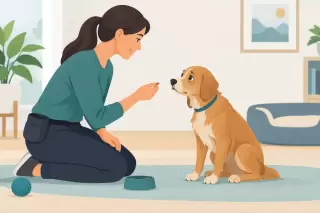
The best early sessions are short and easy. Call your dog from a few feet away indoors, reward them when they arrive, and release them to continue what they were doing. This last part matters. If every recall ends in a bath, nail trim, crate time, or the end of outdoor fun, your dog may begin to hesitate.
Recall should not always mean, “The good stuff is over.” Sometimes call your dog, reward them, and send them right back to play. That simple pattern protects the value of the cue.
Reward What Your Dog Actually Finds Valuable
Not every dog is motivated by the same reward. Some dogs will work eagerly for a piece of chicken or cheese. Others are more interested in a tug toy, a tennis ball, enthusiastic praise, or getting to return to a smell they were investigating.
For difficult situations, use better rewards than you use for routine behavior. Dry kibble may work in a quiet hallway, but it may not compete with a dog running nearby. This is not bribery. It is paying your dog appropriately for a challenging choice.
Over time, you can vary rewards once recall is strong. But early in training, be generous. You are building a habit that could matter in an emergency.
Practice Before You Need It
A common mistake is using recall only when there is a problem. If the only time your dog hears “come” is when they are heading toward an open gate, stealing food, or refusing to leave the yard, the cue becomes connected to stress and frustration.
Instead, practice at calm times. Call your dog from one room to another. Ask for a recall in the backyard while they are mildly interested in something else. Use a long line in a safe open area so your dog has room to move without being able to practice running away.
A long line is especially helpful for dogs that are not ready for off-leash freedom. It provides safety while allowing you to work on real distance and distractions. Never attach a long line to a collar if your dog may hit the end at speed. A well-fitted harness is generally the safer option.
The Recall Ladder: Build Difficulty Slowly
Reliable recall is built in layers. Think of it as moving from easy practice to real-life challenges, rather than testing your dog before they are prepared.
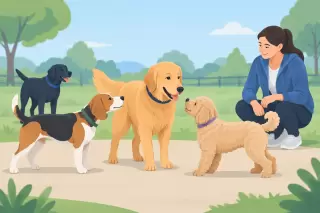
Begin inside your home with no distractions. Move to the backyard, then to a quiet outdoor space. From there, work around distant people, dogs, bicycles, or wildlife at a level where your dog can still respond. The goal is not to prove your dog can fail. The goal is to create many successful repetitions.
Distance, distraction, and duration can all make recall harder. If you increase one of them, make the others easier. For example, if you are practicing around another dog, stand closer to your own dog and use a particularly good reward. If you ask your dog to come from farther away, choose a quieter setting.
This gradual approach is especially useful for reactive, anxious, or high-energy dogs. These dogs may need more space from triggers before they can think clearly enough to respond. Pushing them too close to a distraction can make the exercise less effective and more stressful.
What to Do When Your Dog Does Not Come
If your dog does not respond, avoid repeating the cue louder and louder. Saying “come, come, come” teaches many dogs that the first few calls do not matter. It can also make the word easier to ignore.
Instead, calmly reduce the difficulty. Move closer if it is safe, use the long line to prevent wandering off, or make yourself more interesting by moving away, crouching down, or using a cheerful voice. When your dog reaches you, reward them. Even if you are annoyed, avoid scolding after they arrive.
Punishing a dog for coming late can create a damaging lesson: getting to the owner is unsafe. Your dog may not connect the correction to the earlier running away. They may only learn that returning to you is unpleasant.
If the cue has been repeated and ignored often, it may have lost some meaning. In that case, a trainer may recommend building a fresh recall cue with a new word or even a whistle. The new cue should be introduced carefully and paired with excellent rewards, not used as a shortcut around practice.
When Recall Needs More Than At-Home Practice
Some recall problems are not simply a matter of choosing better treats. A dog may be overly excited outdoors, fearful around strangers, reactive toward other dogs, or accustomed to rehearsing freedom without boundaries. Those situations benefit from a personalized plan.
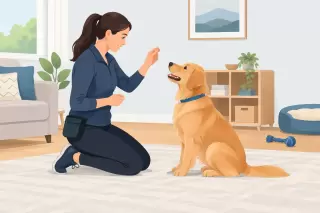
In-home training can be particularly useful because recall challenges often begin in familiar daily moments: calling a dog away from the front door, stopping them from rushing out of the garage, or getting their attention when visitors arrive. A trainer can see the routines, layout, and family dynamics affecting the behavior, then help every household member use the same approach.
For Durham Region dog owners, K9 Manners works one-on-one in the home to help make obedience skills practical in the places they matter most. Recall is not taught as an isolated command. It is part of clear communication that supports safer walks, calmer routines, and more confidence for both dog and owner.
A Better Goal Than “Perfect” Recall
No responsible trainer should promise that every dog will respond perfectly in every situation, especially around sudden danger or powerful distractions. Dogs are living animals, not remote-controlled devices. Management still matters: secure fencing, leashes, long lines, and good judgment protect your dog while training develops.
A useful goal is a dog who responds quickly in the situations you have practiced, who is increasingly able to disengage from distractions, and who sees coming to you as a positive choice. That kind of recall gives you more freedom without asking your dog to be flawless.
The next time you call your dog, make it easy for them to choose you. Start close, reward generously, and practice often enough that “come” becomes one of the happiest words they hear.