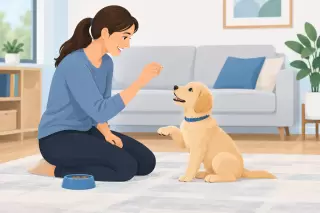
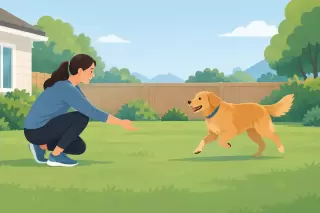
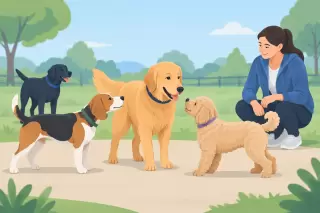
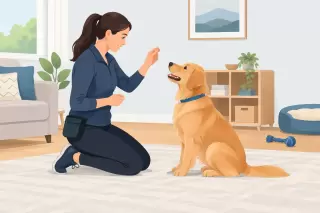
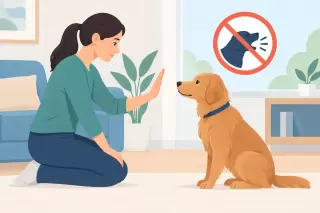
A dog who paces when you pick up your keys, barks at every sound outside, or panics when visitors arrive is not being stubborn. They may be overwhelmed, unsure, or struggling to cope with a situation that feels too big. Many owners ask, will training help anxiety in a dog? Often, it can help significantly – but the right kind of training matters.
Training does not erase every anxious feeling, and it is not a replacement for veterinary care when anxiety is severe. What it can do is give your dog clearer communication, predictable routines, and practical skills for handling everyday triggers. For many families, those changes make home life calmer for both the dog and the people who love them.
Will Training Help Anxiety in Dogs?
Yes, training can help anxiety when it is built around patience, consistency, and your dog’s individual comfort level. Anxious dogs usually do not need more pressure. They need to learn that they can look to their owner for guidance and that unfamiliar situations do not always lead to something frightening.
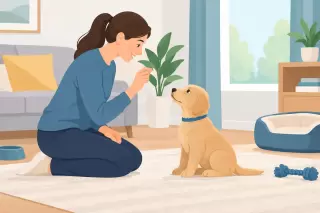
A personalized plan may teach a dog to settle on a bed when the doorbell rings, walk with more focus instead of scanning for threats, or respond to a simple cue when they begin to worry. These are not just obedience exercises. They are coping tools.
The goal is not to force a nervous dog to “get over it.” The goal is to build confidence gradually, so your dog has a better response available when stress appears. Progress may look small at first: fewer barks at the window, a quicker recovery after a loud truck passes, or the ability to relax while a guest moves through the house. Those small wins matter.
Why Structure Can Make an Anxious Dog Feel Safer
Dogs do well when the expectations around them are clear. If every walk is chaotic, visitors are unpredictable, and household rules change from day to day, an already anxious dog has even more to manage. Consistent training brings order to those moments.
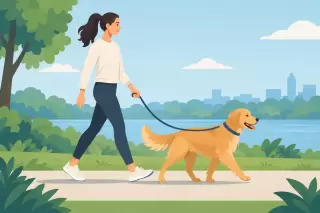
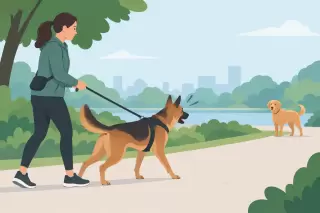
Simple routines around meals, walks, greetings, and rest can reduce uncertainty. For example, teaching your dog to go to a designated spot before the front door opens gives them a job to do instead of allowing excitement or fear to take over. Teaching loose-leash walking can make outings feel less confrontational and more manageable for a dog who reacts to other dogs, people, or sudden movement.
Calm practice also helps owners respond differently. It is easy to become tense when you expect your dog to lunge, bark, or panic. Clear coaching helps you recognize early signs of stress and step in before your dog reaches their limit. Your dog notices that steadiness.
Training Builds Communication, Not Just Commands
A reliable sit, come, place, or leave it cue can be useful in a difficult moment, but the bigger benefit is the relationship behind the cue. When your dog has learned that listening to you is safe, rewarding, and predictable, they are more likely to check in with you when they feel uncertain.
That does not mean every anxious dog will respond perfectly in every situation. Fear can override training when a dog is pushed too far. Still, regular practice in easier situations creates a foundation you can use when life gets more distracting.
What Kind of Training Helps Most?
The best approach depends on what is causing the anxiety. A puppy who is hesitant around new surfaces needs a different plan than an adult dog who panics when left alone. A dog who barks from the window may be reacting to visual triggers, while a dog who hides during thunderstorms may need help with sound sensitivity and a safe resting area.
For most anxious dogs, training should be calm, gradual, and tailored to the home. That includes working at a distance where your dog can notice a trigger without becoming overwhelmed, rewarding calm choices, and slowly increasing difficulty only when they are ready.
In-home training can be especially helpful because anxiety often shows up in very specific places: at the front window, on the stairs, during family meals, when the kids come home, or as you prepare to leave. Addressing the behavior where it happens gives the owner practical steps that fit real life rather than a one-size-fits-all exercise from a busy class.
At K9 Manners, that personalized approach allows the training plan to account for your dog’s temperament, daily routine, family members, and the situations that are actually creating stress.
Avoid Flooding Your Dog With the Thing They Fear
A common mistake is assuming that more exposure will automatically solve fear. Taking a nervous dog straight into a crowded park, forcing them to greet strangers, or leaving them alone for long periods to “teach them” can make the anxiety worse.
Exposure is helpful only when it is controlled and manageable. If your dog is trembling, lunging, refusing treats, trying to escape, or unable to respond to familiar cues, the situation is probably too difficult at that moment. Training should move at a pace that allows learning, not survival mode.
Everyday Skills That Can Support Confidence
Some obedience skills are particularly useful for dogs who struggle with anxiety because they create predictable patterns. A calm place cue gives a dog a safe, familiar location when guests arrive. A reliable recall can help redirect a dog away from a stressful situation. Leash skills can prevent the repeated pulling, staring, and escalating tension that turns walks into a daily worry.
Impulse-control exercises can help as well. Waiting briefly at doors, settling before receiving a meal, and checking in with the owner before greeting someone are simple routines that encourage a dog to pause rather than react immediately.
These skills should never be used to suppress obvious fear. If your dog is scared, their emotional needs come first. But when taught kindly and practiced consistently, they can give an anxious dog a clearer path through situations that once felt out of control.
When Training Alone May Not Be Enough
Some anxiety needs support beyond behavior training. Separation anxiety, panic reactions, compulsive behaviors, self-injury, sudden changes in behavior, or aggression connected to fear deserve a conversation with your veterinarian. Pain, medical conditions, age-related changes, and sensory loss can all affect behavior and may look like anxiety.
Your veterinarian may recommend medical evaluation, medication, or a referral to a qualified behavior professional. There is no failure in using that support. In some cases, reducing the intensity of a dog’s anxiety makes it possible for training to work more effectively.
You should also seek prompt professional guidance if your dog has bitten, is attempting to escape the home or crate, destroys doors or windows when alone, or cannot settle even in familiar surroundings. Safety comes before practicing obedience.
What Progress Usually Looks Like
Owners often hope for a quick change, especially when anxiety is disrupting sleep, walks, visitors, or work schedules. Some dogs improve quickly once their routine becomes more consistent. Others need weeks or months of steady practice. The timeline depends on the dog’s history, triggers, genetics, environment, and how often the new skills are practiced.
Look for recovery, not perfection. An anxious dog may still notice the delivery person, but recover in seconds instead of barking for ten minutes. They may still dislike being alone, but settle more comfortably during a short absence. These are meaningful signs that confidence is growing.
The most helpful thing you can offer an anxious dog is not constant reassurance or stricter correction. It is calm leadership, manageable practice, and a home routine they can understand. With the right support, your dog can learn that they do not have to handle every scary moment on their own.