A good dog socialization guide is not a checklist of places your dog must visit or strangers they must greet. It is a plan for helping your dog feel safe, curious, and able to focus on you in the real situations you share every day. That might mean calmly watching children ride scooters from a distance, passing another dog on a neighborhood walk, or settling while visitors come through your front door.
Many owners picture socialization as making their dog friendly with everyone. Friendly can be wonderful, but it is not the only goal. A well-socialized dog may happily greet people, or they may choose to observe politely without asking for interaction. What matters is that they can move through the world without becoming overwhelmed, fearful, frantic, or out of control.
What Dog Socialization Really Means
Socialization is the process of building positive or neutral associations with new people, animals, environments, sounds, surfaces, and routines. For puppies, the most influential period begins early in life, but learning does not end when puppyhood does. Adult dogs can become more comfortable and confident too, especially when exposure is paced carefully and paired with clear guidance.
The key word is positive. Simply putting a nervous puppy in a busy park, dog daycare, or crowded store is not automatically good socialization. If your dog is scared, cornered, repeatedly startled, or forced to tolerate unwanted handling, they may learn that unfamiliar situations are unsafe. One difficult experience can have a lasting effect, particularly on a sensitive dog.
Good socialization is less about how much your dog experiences and more about how they feel during those experiences. A calm five-minute observation from a comfortable distance can teach more than an hour of chaotic interaction.
Start With Your Dog’s Comfort Zone
Before introducing anything new, learn to recognize your dog’s body language. Dogs rarely go from relaxed to reactive without showing smaller signs first. A dog who turns away, licks their lips, yawns when they are not tired, lowers their body, tucks their tail, freezes, or refuses treats may be telling you the situation is too much.
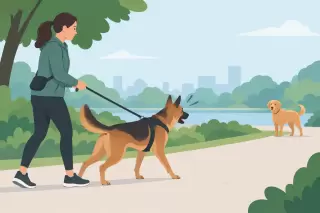
Distance is one of the most useful tools you have. If your dog notices a bicycle, another dog, or a visitor but can still look at you, take food, and move normally, you are likely at a workable distance. If they bark, lunge, hide, stiffen, or cannot respond to a familiar cue, increase the distance and make the situation easier.
This is not “giving in” to fear. It is helping your dog learn without pushing them beyond their ability to cope. Repeated success builds confidence. Repeated overwhelm often builds stronger reactions.
Let Your Dog Choose Interaction
Not every person needs to pet your dog, and not every dog needs a canine playmate. Encourage people to ignore your dog at first rather than reaching over their head or calling them over. Give your dog room to approach if they want to.
If your dog walks forward with a loose body and soft expression, a brief, gentle greeting may be appropriate. If they hesitate or move away, respect that choice. Teaching children in the household to give the dog space is especially important. A dog that learns their signals will be heard is more likely to stay calm.
A Practical Dog Socialization Guide for Daily Life
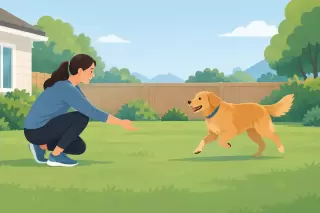
The most useful socialization happens in ordinary routines. You do not need to turn every outing into a training event. Choose one small, manageable experience at a time, keep it brief, and end while your dog is still successful.
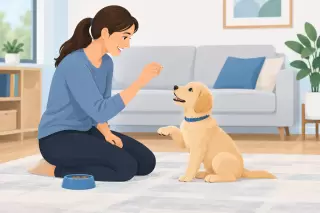
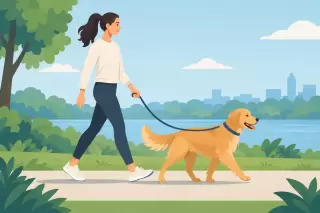
For a young puppy, that may mean sitting on the front step and watching delivery trucks, hearing the vacuum from another room, walking on grass and pavement, or meeting one calm adult wearing a hat. For an adult dog, it may mean practicing a relaxed walk past a schoolyard, watching dogs from across a parking lot, or settling on a mat while a friend visits.
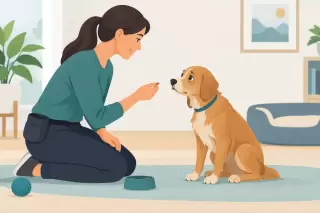
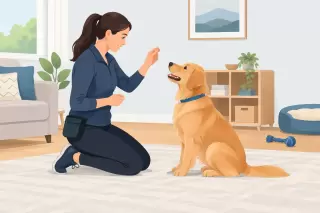
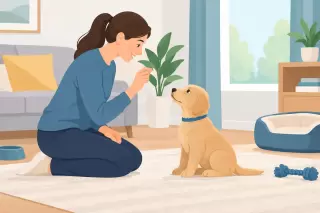
Use a reward your dog genuinely values. Small treats work well for many dogs, but praise, a toy, or permission to sniff can also be rewarding. When your dog notices something new and stays calm, mark that moment with a quiet “good” and offer the reward. Over time, unfamiliar things begin to predict good outcomes rather than stress.
Keep sessions short. A few positive minutes are enough, especially for puppies. If your dog becomes tired, overly excited, or worried, end the exercise and give them a chance to rest. Socialization is a long-term process, not a race.
Introduce New Experiences Gradually
Dogs benefit from variety, but variety should be introduced in layers. Do not expect your dog to handle a busy patio, loud traffic, children, other dogs, and strangers all at once. Start with the simplest version of the experience and increase difficulty only when your dog is relaxed.
For example, if your dog is uneasy around other dogs, begin by watching a calm dog from far away. Reward your dog for looking without reacting, then looking back to you. On another day, try a parallel walk with plenty of space between the dogs. A face-to-face greeting may come later, but it does not need to be the destination.
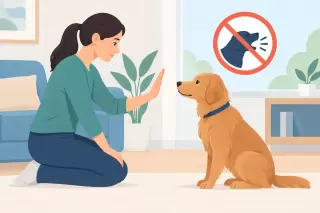
The same approach applies to visitors. Before guests arrive, practice sending your dog to a bed or mat and rewarding them for staying there. Use a leash, baby gate, or separate room if that helps everyone begin calmly. Once the excitement settles, you can decide whether a greeting is appropriate. Management is not a failure. It is often what makes good training possible.
Socializing Puppies Safely
Puppies need exposure to the world, but they also need protection from illness and frightening encounters. Your veterinarian can advise you on safe options based on your puppy’s vaccination schedule and local risks.
Until your puppy is fully vaccinated, socialization can still include being carried through a neighborhood, riding in the car, hearing household sounds, meeting healthy vaccinated dogs you know, and observing activity from a clean blanket or your arms. Avoid dog parks, unknown dogs, and high-traffic areas where disease exposure may be a concern.
Puppy play should be closely supervised. Size, play style, and confidence level all matter. A large, enthusiastic dog may be friendly but still too much for a small or cautious puppy. Look for loose, wiggly bodies, frequent pauses, and balanced back-and-forth play. Separate the dogs if one is constantly chasing, pinning, hiding from, or ignoring the other’s signals.
Why Dog Parks Are Not a Socialization Requirement
Dog parks work for some dogs, but they are not the right choice for every dog and are never required for proper socialization. The environment is unpredictable: dogs may have different play styles, owners may miss warning signs, and your dog has limited ability to leave an uncomfortable interaction.
For an energetic dog, a dog park can also teach habits you may not want, such as ignoring you around distractions, rushing toward other dogs, or becoming overstimulated before leash walks. A controlled playdate, a calm walking partner, or a training session near other dogs can provide better learning opportunities.
If you do use a dog park, choose quieter times, watch body language closely, and leave at the first sign that play is becoming tense or relentless. A short, successful visit is better than staying until your dog is overwhelmed.
Build Skills Alongside Socialization
Socialization works best when your dog has a few simple skills to rely on. Their name response, a hand target, “come,” “leave it,” and settling on a mat give you ways to guide them through unfamiliar moments. These cues should be practiced first at home, where your dog can succeed easily.
Leash manners matter as well. A tight leash can add frustration when your dog sees another dog or person, while a loose leash and enough space allow them to think. You do not need perfect obedience before socializing your dog. In fact, the two processes support each other. But asking for one easy, familiar behavior can help your dog regain focus when the environment becomes exciting.
Consistency at home makes a difference. If guests arriving always leads to jumping, barking, and everyone talking over one another, your dog will rehearse that pattern. A calm arrival routine gives them a clearer answer: go to your spot, wait, and greet only when you are settled.
When Extra Help Makes Sense
If your dog growls, snaps, lunges, panics, or cannot recover after seeing common triggers, do not force more exposure. These behaviors are signals that your dog needs a more individualized plan. The goal is not to suppress the warning. It is to address the emotion and teach safer alternatives.
Personalized training can be particularly helpful when the challenge happens at home, on your usual walking route, or around your family’s daily routines. Working in the actual environment lets you practice realistic setups, adjust your handling, and create a plan that fits your dog rather than expecting your dog to fit a group setting.
Your dog does not need to love every person, dog, noise, or place they encounter. Give them patient, positive experiences, listen when they need space, and celebrate the quiet moments when they choose to look to you. Those small wins are how a dog learns that the world is manageable.