A puppy can look like an angel during a quiet moment and turn into a whirlwind the second the doorbell rings, dinner is served, or a child starts running through the living room. That is why Ajax in-home puppy lessons focus on the moments you actually need help with, not just a sit command performed in a busy class setting. Training in your own home gives your puppy a clear way to understand the rules of the household while giving you practical coaching for the routines that feel difficult right now.
For many new puppy owners, the hardest part is not a lack of effort. It is trying to apply general advice to a real home with real distractions, different family members, work schedules, visitors, and a puppy that may be tired, excited, teething, or unsure. One-on-one instruction brings the lesson to the place where those details matter.
Why in-home puppy training makes a difference
Puppies do not automatically understand that the couch, kitchen, front door, leash, and crate all come with different expectations. They learn through repetition, timing, and consistency. When training happens in your home, you can work directly on the situations your puppy encounters every day.
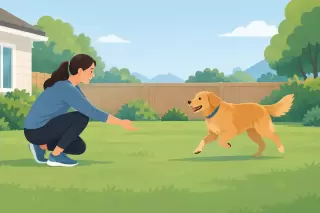
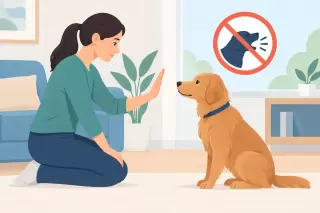
That might mean teaching your puppy to stay calm when someone enters the house instead of launching at their knees. It may mean practicing a reliable recall in the backyard, building better leash manners from your own front walk, or showing your puppy where to settle while the family eats dinner. These are not minor details. They are the habits that shape whether daily life with your dog feels manageable and enjoyable.
A group class can be useful for some dogs, particularly when they are ready to practice around other dogs and people. But it is not always the best first step. A very young, shy, easily overstimulated, or high-energy puppy may struggle to focus in a room full of new sounds, smells, and movement. In-home lessons create a calmer starting point where your puppy can learn without being overwhelmed.
Ajax in-home puppy lessons start with your routine
No two puppies arrive in a household with the same needs. A confident retriever puppy that grabs shoes may need a different plan than a small puppy that barks at visitors or a herding breed that chases moving children. Age, breed tendencies, previous experiences, energy level, and your family’s lifestyle all affect the training approach.
An in-home trainer can see the setup that shapes your puppy’s behavior. Is the food bowl placed beside a busy walkway? Does the puppy have access to every room before they are ready? Is everyone using a different word for the same cue? Is the front-door excitement getting practiced several times each day? These small patterns often explain why a behavior keeps repeating.
The goal is not to make your home feel strict or complicated. It is to create clear, fair boundaries your puppy can understand. When expectations are consistent, puppies usually become more relaxed because they no longer have to guess what happens next.
The first lessons are about communication
Many owners begin training because they want their puppy to listen. That is a reasonable goal, but listening starts with communication. Before expecting a puppy to respond around distractions, they need to learn what a cue means and why paying attention to you is worthwhile.
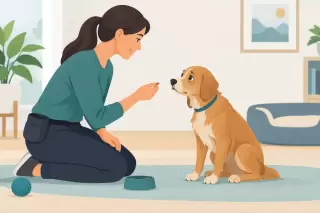
Early lessons often focus on attention, name response, recall foundations, leash skills, settling, handling, and polite greetings. You may also work on useful household manners, such as waiting at doors, leaving dropped food alone, giving up an item, and going to a designated bed or mat.
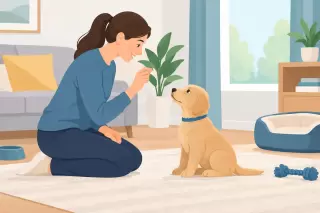
The methods matter as much as the commands. Puppies learn best when training is clear, timely, and repeated in short sessions. You do not need to spend an hour drilling commands. A few well-timed minutes before a meal, during a walk, or when someone comes home can make a meaningful difference.
Everyone in the home needs the same plan
A puppy may respond beautifully to one person and ignore another, not because they are being stubborn, but because the rules feel different. If one family member allows jumping and another corrects it, the puppy receives mixed information. If one person uses “down” for lying on the floor and another uses it for getting off the sofa, confusion is almost guaranteed.
In-home training gives the whole household an opportunity to learn the same approach. Children can be shown safe, age-appropriate ways to participate. Adults can practice timing, body language, and how to respond when the puppy makes a mistake. This shared understanding is often what turns a few good lessons into lasting progress.
Common puppy problems are easier to address early
Puppy behavior is not usually a sign that you have a bad dog. Chewing, jumping, pulling, barking, stealing food, and ignoring a recall are normal behaviors from a puppy’s point of view. The question is whether those behaviors are being redirected before they become well-practiced habits.
Chewing, for example, is often linked to teething, boredom, access, or a need for more appropriate outlets. Simply telling a puppy “no” after finding a damaged shoe rarely teaches them what to do instead. A useful plan considers management, appropriate chew options, supervision, and teaching the puppy to trade or leave items when asked.
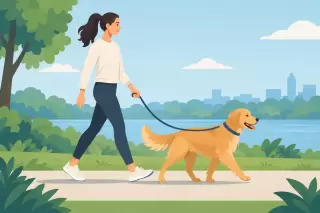
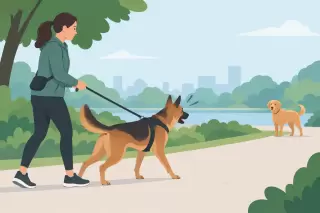
Leash pulling has a similar pattern. Puppies pull because moving forward is rewarding, especially when there are interesting scents, squirrels, people, and other dogs nearby. Building loose-leash walking requires patience and consistency, not a battle at the end of the leash. Beginning in familiar, low-distraction areas makes it easier for your puppy to succeed before asking for more in public.
Recall deserves special attention because it can become a safety issue. Calling a puppy only when fun ends can teach them that coming to you means losing freedom. In-home coaching can help you build a recall that is positive, practiced, and reliable in gradually more distracting situations. It depends on the puppy and environment, but early work gives you the strongest foundation.
What a productive lesson looks like
A good puppy lesson should leave you with more than a list of commands. You should understand what your puppy is learning, how to practice between visits, and what to do when progress is uneven. Puppies are not linear learners. A skill that looks solid one day may fall apart when they are overtired or when guests arrive. That does not mean training has failed. It means the skill needs to be practiced in that new context.
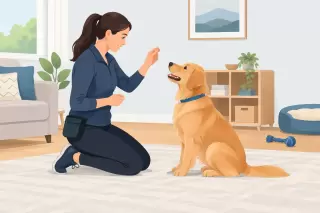
During a personalized session, the trainer can demonstrate an exercise, watch you try it, and make small adjustments that are hard to learn from a video or article. Perhaps you are repeating a cue too many times, rewarding too late, or expecting too much too soon. A small change in timing or setup can help the lesson click for both you and your puppy.
You should also expect a realistic plan. Young puppies need sleep, play, bathroom breaks, social experiences, and downtime alongside training. Over-scheduling them can lead to an overtired puppy who is more mouthy, wild, and unable to focus. The best routine fits training into normal life rather than asking your household to revolve around constant practice.
Building confidence without creating chaos
Socialization is often misunderstood as exposing a puppy to everything, all at once. A better approach is thoughtful exposure at a pace your puppy can handle. The goal is not for your puppy to greet every dog, person, or child. The goal is for them to feel safe and look to you for guidance in new situations.
For some puppies, that means observing a busy sidewalk from a comfortable distance. For others, it may mean practicing calm greetings with one prepared visitor in the home. If your puppy becomes fearful, frantic, or unable to take food, the situation may be too challenging at that moment. Slowing down is not a setback. It is how you build confidence instead of rehearsing panic.
This is one reason personalized in-home support can be valuable for families throughout Ajax and Durham Region. Your trainer can help you read your puppy’s body language and choose the next step based on the dog in front of you, not a one-size-fits-all timetable.
Make training part of the life you want with your dog
The most useful puppy training is not about showing off tricks. It is about enjoying a calm greeting at the door, taking a walk without being dragged, eating a meal without guarding your plate, and trusting that your puppy will come when called. Those outcomes come from many small, consistent choices made over time.
K9 Manners provides one-on-one guidance that helps owners turn those everyday moments into learning opportunities. With a clear plan and support that fits your household, you can spend less time reacting to unwanted behavior and more time building the relationship you hoped for when you brought your puppy home.
Start with the routine that is causing the most stress this week. A calmer front-door greeting, a better walk, or five minutes of recall practice in the yard can become the small win that changes the tone of life with your puppy.