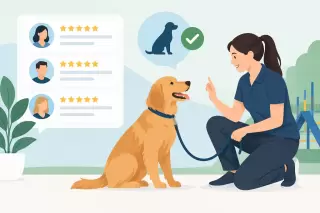
Your dog may sit beautifully in the kitchen, then race to the door barking when the delivery driver arrives. That is not stubbornness. It is a sign that training has not yet been practiced in the moments and places that matter most. A practical home dog training checklist helps you turn everyday routines into clear, repeatable lessons – without making your whole day feel like a training session.
The goal is not a dog that performs commands only when treats are visible. It is a dog that understands what you are asking, even when dinner is cooking, kids are moving through the house, or a squirrel appears halfway down the block. Start small, work consistently, and build skills where your dog actually lives.
Set Up Your Home Dog Training Checklist
Before asking for better behavior, make it easy for your dog to succeed. Dogs learn through repetition and consequences. If jumping earns attention, pulling gets them to the next interesting smell, or stealing food is occasionally rewarding, those behaviors will continue because they work.
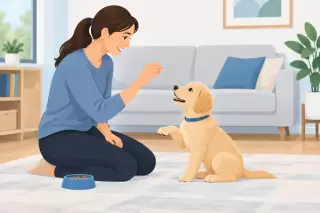
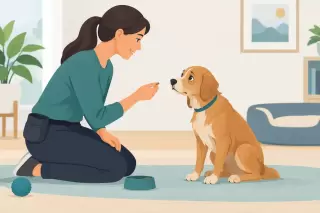
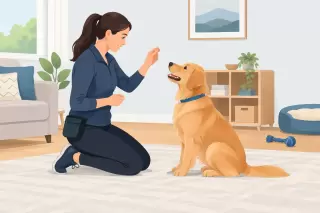
Choose a quiet training spot in your home for early practice. Keep small, soft treats nearby, along with a leash, a favorite toy, and a mat or bed if you are teaching place. Use a marker word such as “yes” or a clicker to tell your dog the exact second they made the right choice. The marker should always be followed by something your dog values, usually a treat at first.
Decide on the words everyone in the household will use. “Off,” “down,” and “get down” may sound similar to people, but they can be three different cues to a dog. Consistency does not mean every family member must train the same way perfectly. It means the dog receives a clear, predictable message.
Your checklist should also include realistic practice times. Three focused minutes before breakfast can be more useful than a distracted half-hour after a long workday. Short sessions keep training positive and give you more chances to reward success.
Start With the Skills That Improve Daily Life
Not every dog needs a long list of tricks. Begin with the behaviors that make your household safer, calmer, and easier to manage. For many families, that means reliable responses to their name, sit, down, stay, come, leave it, and a polite leash walk.
Name response and attention
Say your dog’s name once. When they look at you, mark and reward. Do this in low-distraction rooms before expecting attention in the yard, near visitors, or on a busy sidewalk. A dog that checks in with you is easier to guide through every other exercise.
Avoid repeating their name until it becomes background noise. If your dog does not respond, make the situation easier by moving closer or reducing distractions. Then reward the response you want.
Sit, down, and stay
These cues are useful because they give your dog a simple alternative to impulsive behavior. Ask for a sit before meals, before clipping on the leash, and before greeting people. Practice down when you are watching television or preparing food, rewarding calm behavior on the floor.
Stay should be built gradually. Ask for a sit or down, pause for one second, mark, and reward. Add time first, then distance, then mild distractions. Trying to add all three at once often causes the dog to break position, which can be frustrating for both of you.
Recall that means something
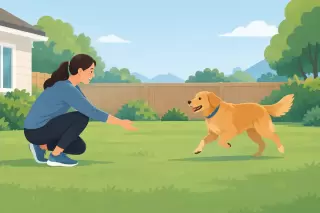
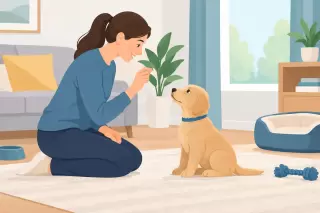
A reliable “come” is one of the most valuable skills on any home dog training checklist. Begin indoors, only a few feet away. Say your cue in a warm, upbeat voice, then reward generously when your dog reaches you. Practice between family members down a hallway or across a room.
Do not call your dog only for things they dislike, such as ending playtime, getting a bath, or going into the crate. Whenever possible, call them, reward them, and let them return to what they were doing. This teaches your dog that coming to you does not always end the fun.
For safety, use a long line in a secure outdoor area while recall is still developing. Freedom should grow as reliability grows.
Use Routines to Prevent Common Problems
Training is most effective when it is part of real life. Instead of waiting for a behavior problem, identify the moments that trigger it and give your dog a job before the excitement begins.
For jumping on guests, practice a sit or go-to-mat routine before anyone comes inside. Keep your dog on leash at first so they cannot rehearse rushing the door. Ask visitors to ignore jumping and offer attention only when four paws are on the floor. If your dog becomes too excited to respond, create more distance rather than repeating commands louder.
For food stealing, management matters as much as obedience. Keep counters clear, use a baby gate or leash during meal preparation, and reward your dog for staying on a mat. “Leave it” is helpful, but it should not be the only plan when tempting food is within reach.
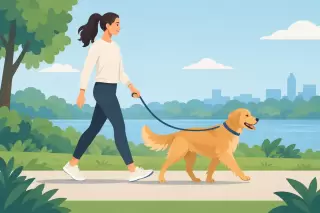
Leash pulling also requires a clear strategy. Start in a low-distraction area and reward your dog for walking near you with a loose leash. If the leash tightens, stop moving or calmly change direction. Pulling should not be what gets the dog forward. This can feel slow at first, especially with energetic dogs, but allowing occasional pulling makes the lesson harder to understand.
Practice Around Distractions, One Step at a Time
A cue your dog understands in the living room may fall apart in the front yard. That is normal. Dogs do not automatically generalize a skill from one environment to another, so the checklist needs a progression.
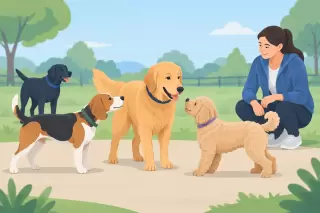
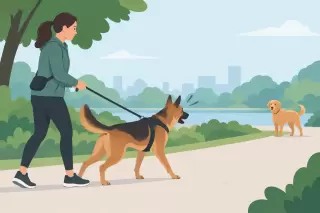
Start indoors, then practice in the yard, driveway, and quiet sections of your neighborhood. Add one challenge at a time: a little more distance, a new person, a toy on the floor, or another dog far away. If your dog cannot respond, the distraction is too difficult for their current skill level. Move farther away, shorten the exercise, or return to an easier setting.
This is especially important for reactive, fearful, or highly excitable dogs. Forcing them close to a trigger can increase stress and make training worse. A calm, manageable distance allows your dog to notice the distraction and still learn that checking in with you is rewarding.
Keep Track of What Is Actually Improving
A checklist is useful because it replaces vague impressions with observable progress. Rather than writing “walks were bad,” note that your dog pulled for the first five minutes but responded to three check-ins after you created distance from another dog. Small details show you what to repeat and what needs adjustment.
Track these four areas each week:
- Which cues your dog responds to on the first request indoors and outdoors
- Situations that lead to jumping, barking, pulling, or ignoring you
- Rewards that hold your dog’s attention in easy and difficult settings
- One specific goal for the coming week, such as a 10-second stay at the front door
Progress is rarely a straight line. A puppy may seem to forget everything during a growth stage. A rescue dog may need time to feel safe enough to learn. Busy households may have inconsistent weeks. That does not mean training has failed. It means the plan may need smaller steps, better management, or support tailored to your dog and home.
Know When Personalized Help Makes Sense
Home practice can create major improvements, but some challenges benefit from professional guidance. Consider in-home support if your dog growls, snaps, guards food or objects, panics when left alone, reacts intensely to people or dogs, or cannot settle despite consistent practice. The same is true when family members disagree about how to handle behavior.
One-on-one coaching can be particularly helpful because the trainer sees the actual doorway, couch, kitchen, walking route, and household routines involved. For dog owners in Durham Region, K9 Manners can help turn a general checklist into a plan that fits your dog’s age, temperament, and daily environment.
Keep your checklist where you can see it, reward the behavior you want more often than you correct the behavior you do not, and give your dog many small chances to get it right. Those ordinary moments at the door, by the food bowl, and on the sidewalk are where calmer habits begin.