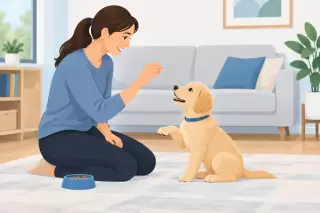
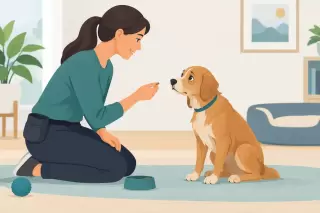
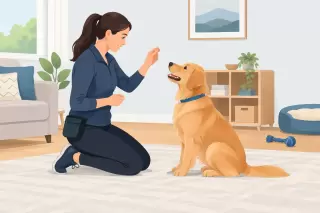
The problem usually does not start in a training class. It starts when the doorbell rings and your dog launches at the visitor, when dinner is on the table and your puppy is underfoot, or when a simple walk turns into a tug-of-war. Ajax in-home dog training focuses on those real moments, helping you teach clear manners where your dog already lives, plays, eats, and reacts.
For many owners, the goal is not a dog who performs tricks on cue in a busy room. It is a dog who can settle while the family talks, walk without pulling, come when called, and greet guests without turning the front entrance into chaos. In-home training makes those goals practical because the training happens in the same environment where the habits developed.
Why training at home can make a real difference
Dogs do not automatically understand that a command practiced in one place applies everywhere. A dog may sit beautifully in a quiet class and struggle to listen when the mail arrives, children are playing, or a favorite snack is within reach. This is normal. Dogs learn through repetition, context, and consistent feedback.
At home, a trainer can see what is actually happening before a behavior appears. Is your dog jumping because guests accidentally reward the behavior with attention? Is leash pulling worse after a long day indoors? Does poor recall happen only in the backyard, where squirrels and neighborhood activity are more interesting than you? The details matter because they shape the right plan.
In-home sessions also remove a common barrier for overwhelmed owners: getting to class on time with a dog who may already be stressed, reactive, very young, or difficult to manage around other dogs. A calmer setting lets your dog learn without unnecessary pressure, while you receive direct coaching in a place that feels familiar.
What Ajax in-home dog training can address
Every dog and household is different, but many behavior concerns come back to communication, consistency, and practice. A personalized program can work on basic obedience while also addressing the situations that make daily life feel frustrating.
Puppy manners from the beginning
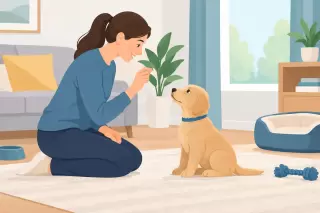
Puppies are learning all day long, whether they are in a formal lesson or not. They learn what happens when they nip at hands, grab socks, jump up for attention, or bark when left alone. Early training gives owners a clear way to respond before these habits become harder to change.
A good puppy plan may include house-training routines, crate comfort, name recognition, coming when called, polite greetings, chewing guidance, and calm handling. It can also help families create realistic rules. If one person allows couch jumping and another corrects it, the puppy receives mixed information. Clear household expectations are kinder and easier for a young dog to follow.
Pulling, barking, and overstimulation on walks
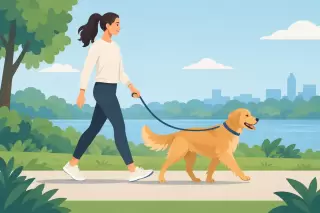
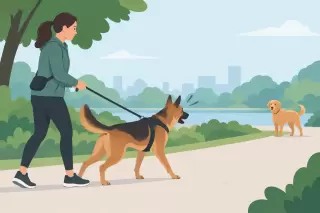
A dog who pulls on leash is not necessarily being stubborn. They may be excited, under-practiced, anxious, or used to reaching every interesting smell by pulling forward. The answer is not simply repeating a command louder. Owners need timing, handling skills, and a plan that rewards the behavior they want instead.
In-home training can begin at the front door, where many walks go off track. Your dog may need to practice waiting calmly while the leash goes on, moving through the doorway without rushing, and checking in with you before heading down the sidewalk. Starting with these small moments often makes the larger walk more manageable.
Barking deserves the same careful approach. Alert barking at the window, demand barking, and barking caused by fear do not all have the same cause. Understanding the trigger helps determine whether the priority is management, confidence-building, obedience practice, or changing the dog’s association with that situation.
Jumping, food stealing, and household boundaries
These behaviors can feel personal when they happen every day, but dogs are usually repeating what has worked for them. A dog who steals food from the counter has found a rewarding result. A dog who jumps on visitors may receive eye contact, laughter, talking, or a pat. Even negative attention can be exciting for some dogs.
The solution is not just telling the dog “no” after the fact. It is setting up a better alternative and making that alternative worthwhile. That might mean teaching a reliable place command before guests enter, practicing calm greetings with controlled setups, or arranging the kitchen so your dog cannot rehearse counter surfing while the new habit is being taught.
Management is not failure. Baby gates, leashes, crates, and thoughtful routines can prevent unwanted behavior while training is still in progress. They protect your dog from practicing the very behavior you are trying to replace.
Training the owner is part of training the dog
The most useful training session should leave you knowing exactly what to do between appointments. Your trainer can demonstrate the technique, but lasting improvement happens when your dog receives the same clear message during breakfast, walks, playtime, and visits from friends.
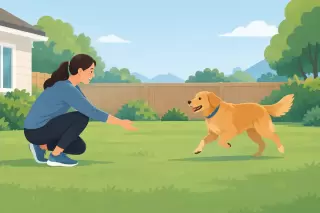
That does not mean you need to turn every interaction into a lesson. Short, intentional practice periods are often more effective than long sessions that leave everyone frustrated. A few minutes of recall practice in the yard, waiting at the door before a walk, or settling on a mat while dinner is prepared can build meaningful progress.
Consistency matters, but perfection is not required. Families are busy. Children have activities, work schedules change, and some days your dog will have more energy than usual. A realistic plan accounts for that. The goal is to build routines you can maintain, not a complicated system that disappears after a week.
When private in-home training is the better fit
Group classes can be valuable for dogs who are ready to work around distractions and for owners who enjoy a classroom format. But they are not the right starting point for every dog. A fearful dog, a reactive dog, a very excitable puppy, or a dog with a specific home-based behavior issue may learn more effectively with one-on-one support first.
Private training is also useful when the behavior depends on your home setup. No group class can fully recreate your front door routine, the route you take through your neighborhood, your backyard distractions, or the way your family moves around the kitchen. Seeing those details allows a trainer to offer advice that fits your actual life.
For Ajax families, convenience matters too. Rather than adding another drive and fixed class time to the week, in-home sessions bring professional guidance to the place where you need it most. K9 Manners works with owners one-on-one so the plan can reflect the dog in front of them, not a one-size-fits-all class outline.
What progress should look like
Good training is rarely a dramatic overnight transformation. Some dogs improve quickly once owners change a few key routines. Others need more time, especially if they have practiced the unwanted behavior for months or years. Age, temperament, past experiences, health, and the consistency of practice all affect the pace.
Look for practical changes first. Your dog pauses before bolting through the door. They recover faster after hearing a noise outside. They can focus on you for a few seconds longer on a walk. They choose their bed when company arrives instead of rushing to the entrance. These small wins are the building blocks of dependable behavior.
It is also helpful to expect occasional setbacks. A holiday gathering, a new baby, visitors, illness, or a missed week of practice can make old habits reappear. That does not erase progress. It simply shows where your dog needs another clear reminder and a little more support.
Preparing your home for better results
Before training begins, notice the patterns rather than judging them. Write down when the behavior occurs, what happens immediately before it, and what your dog gains from it. A short video can also be useful for behaviors that do not happen on demand, such as barking at the window or jumping when someone arrives.
Think about your household rules as well. Decide where your dog is allowed to rest, how greetings should work, and which family members will participate in practice. Everyone does not need to train exactly the same way, but the core expectations should be clear enough that your dog is not left guessing.
A calmer home does not come from demanding more from your dog every minute of the day. It comes from showing them, patiently and consistently, what works. With training built around the routines you already have, each walk, meal, greeting, and quiet evening becomes an opportunity for better communication.