The real test of dog training is not whether your dog can sit for a treat in a quiet room. It is whether they listen when the doorbell rings, walk without pulling toward every smell, and come back when the yard suddenly becomes more interesting than you are. Durham Region dog training should help with the moments that make daily life frustrating – and those moments usually happen at home, on your street, or during your regular routine.
For many owners, the problem is not a lack of love or effort. It is that their dog receives mixed messages, gets overwhelmed by distractions, or has practiced an unwanted behavior so often that it has become a habit. A personalized, in-home approach gives you and your dog a clearer way forward.
Why Training at Home Makes a Difference
Dogs do not automatically apply a lesson from one location to every other situation. A dog may respond beautifully in a class setting, then jump on visitors the second they walk through your own front door. That is not stubbornness. It is often because the dog has learned that home comes with different sights, smells, people, and expectations.
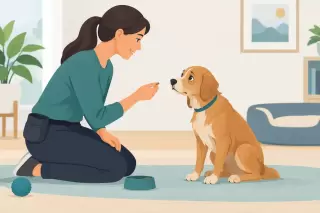
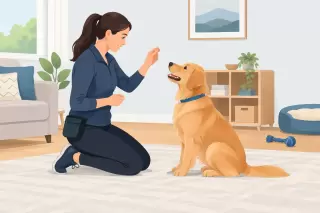
In-home training lets the work happen where the behavior is occurring. If your dog steals food from the counter, the trainer can see the kitchen setup and help you build a plan around it. If leash pulling starts the moment you leave the driveway, that is where the lesson can begin. If your puppy loses focus when the kids come home from school, training can account for the real energy and movement of your household.
This setting also gives owners the direct attention they need. Rather than trying to follow along in a busy group class, you can ask questions about your dog, practice the techniques yourself, and receive guidance based on what is actually working. The goal is not to perform commands for a few minutes. It is to create habits that make life together calmer and more enjoyable.
Common Problems Durham Region Dog Training Can Address
Most families do not need their dog to perform complicated tricks. They want a dog who can settle, listen, and move safely through everyday situations. Training is often most helpful when it focuses on the behaviors that affect your routine from morning through evening.
Jumping on people
Jumping is often a friendly behavior, but it can still be stressful, unsafe, or embarrassing. A large dog can knock over a child or older visitor, while even a small dog can make greetings chaotic. The answer is not simply repeating “off” after the dog has already jumped. Effective training teaches the dog what to do instead, while helping everyone in the home respond consistently.
Pulling on the leash
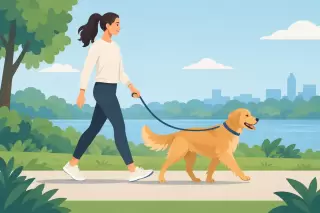
A walk can become exhausting when your dog pulls, zigzags, lunges toward squirrels, or drags you toward other dogs. Leash skills require more than a new collar or a quick correction. Your dog needs to understand how to stay connected to you while managing excitement and distractions. The right approach depends on the dog’s size, age, confidence, and triggers, which is why one-on-one coaching can be especially valuable.
Ignoring commands
When a dog listens only when there is a treat visible or when nothing interesting is happening, the issue is usually reliability. Dogs need gradual practice with distractions, clear timing from the owner, and realistic expectations. A young puppy, for example, will not have the same focus or impulse control as an adult dog. Training should build skills progressively rather than expecting perfection too soon.
Poor recall
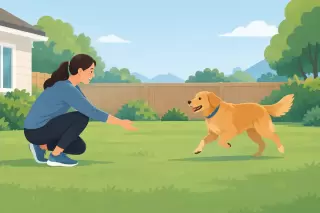
A dog who does not come when called can turn a fun outing into a serious safety concern. Recall training is not about calling your dog once and hoping for the best. It is about creating a strong response through repetition, reward, and careful practice in increasingly distracting situations. Management matters, too. Until recall is dependable, long lines and secure spaces can protect your dog while the training develops.
Food stealing and household manners
Counter surfing, rushing through doors, barking at windows, and grabbing items they should not have are common concerns. These behaviors can feel personal when they happen every day, but dogs are usually doing what has worked for them before. If grabbing a sandwich once resulted in a great snack, the behavior is likely to return. Training combines prevention with teaching an alternative behavior, so your dog has a better choice to make.
The Owner Is Part of the Training Plan
Good dog training is a communication system, not a one-time lesson delivered to the dog. Your trainer can demonstrate the right timing and technique, but lasting progress comes from how the household follows through between sessions.
That does not mean you need to spend hours drilling commands every day. Short, focused practice during normal life is often more useful. Ask your dog to wait before going outside. Practice calm greetings when a family member enters the room. Reward attention during a short walk. Use mealtime as an opportunity to reinforce patience and manners.
Consistency does not mean every family member has to train in exactly the same style. It means the basic rules are clear. If one person allows jumping on the couch, another encourages it sometimes, and a third gets upset about it, the dog has no reliable way to understand the expectation. A personalized plan helps families decide what rules fit their lifestyle, then teaches everyone how to support them.
Puppies, Adult Dogs, and Reactive Dogs Need Different Plans
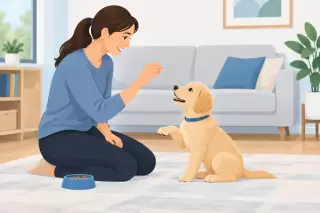
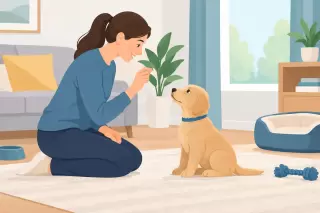
There is no single training program that suits every dog. Puppies need early guidance around biting, house training, socialization, settling, and basic obedience. They also need owners who understand what is normal puppy behavior and what needs immediate attention. A puppy who is busy, mouthy, or easily distracted is not necessarily being difficult. They are learning how the world works.
Adult dogs may arrive with established habits. Some have never been taught leash manners. Others know cues but have learned they can ignore them. Rescue dogs may need time to feel secure before they can focus fully on new expectations. In these cases, training needs patience and an honest assessment of the dog’s history and temperament.
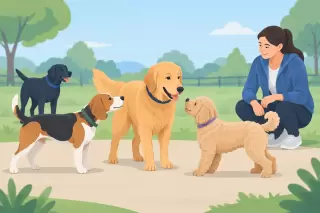
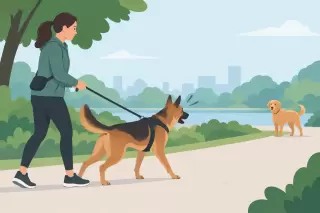
Reactive or high-energy dogs can benefit from an environment with fewer unnecessary pressures. Group classes can be useful for some dogs, but they are not always the right starting point. A dog that becomes anxious, overexcited, or defensive around other dogs may struggle to learn in a crowded room. Working at home can reduce stimulation and allow training to move at a pace that keeps the dog successful.
What to Look for in an In-Home Trainer
Choosing a trainer is a decision built on trust. You are inviting someone into your home and asking for help with a family member, often at a point when you feel tired, concerned, or unsure what to try next. Look for a professional who asks questions before offering quick fixes and who explains what you will be doing, not just what the dog will be doing.
A good trainer should make the process understandable. You should leave a session knowing what behavior you are working on, why it is happening, how to respond in the moment, and what to practice next. Be cautious of promises that sound too fast or too absolute. Some behaviors improve quickly once communication becomes clear, while others take time because they involve fear, excitement, or long-standing habits.
It also helps to choose someone who understands your local routine. A family in Ajax dealing with busy neighborhood walks may need a different plan than a household in Uxbridge with more space and a dog who roams the property. The fundamentals remain the same, but the details should fit your dog’s life.
Progress Looks Like a Better Everyday Life
Training progress is not always dramatic. Sometimes it looks like your dog pausing before the door instead of charging through it. Sometimes it is a walk with fewer pulled arms, a calmer greeting, or a dog who looks back to you before reacting. Those small changes matter because they add up across hundreds of everyday interactions.
K9 Manners focuses on practical, one-on-one instruction because owners deserve help that fits their real home, real schedule, and real dog. With clear guidance and regular practice, the goal is not a perfectly programmed pet. It is a dog who understands you better, and a home that feels easier to enjoy together.