The dog starts barking as the kids are putting on shoes, someone has misplaced a backpack, and you are already late. In moments like this, dog training for busy families can feel like one more task that will never fit on the calendar. It does not have to be. The most effective training is often built into the moments your family already repeats every day.
A well-trained dog is not a dog who performs perfectly for an hour on Saturday and forgets everything by Monday morning. It is a dog who learns what to do when the doorbell rings, when dinner is on the counter, when the leash comes out, and when the family is rushing out the door. Short, clear practice in real life can make a meaningful difference.
Why Busy Homes Can Create Mixed Messages
Dogs learn from patterns, not intentions. If one person allows jumping on the couch, another tells the dog to get down, and a third gives attention when the dog barks, the dog is not being stubborn. The rules simply are not clear yet.
Busy households can accidentally reward behavior they want to stop. A dog who jumps on a child coming home from school may receive excited talking, petting, or eye contact. From the dog’s point of view, jumping worked. A dog who pulls on the leash may still reach the park, so pulling also works.
The answer is not to be harsh or to expect every family member to train like a professional. It is to make the desired behavior easy to understand and easy for everyone to support. Consistency matters more than long training sessions.
Dog Training for Busy Families Starts With Daily Routines
Look for the parts of the day that already happen without fail: meals, potty breaks, putting on the leash, arriving home, settling down for the evening, and opening the front door. Each routine gives you a natural opportunity to practice one small skill.
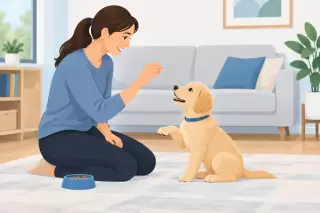
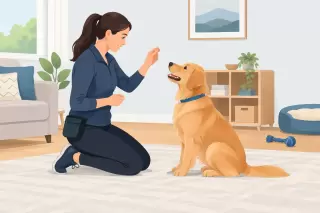
Before setting down the food bowl, ask for a sit. Before clipping on the leash, wait for four paws on the floor. Before opening the door, ask your dog to pause instead of charging ahead. These are not extra assignments. They are brief repetitions that teach your dog that calm behavior gets access to the things they want.
Keep the cue simple. If you use “sit,” everyone in the family should use “sit,” rather than switching among “sit down,” “park it,” or “be good.” A consistent word, followed by a clear reward, helps the dog connect the cue to the action much faster.
Choose One Priority at a Time
Many families call for help because several issues are happening at once: pulling on walks, barking at visitors, stealing food, ignoring recall, and jumping on everyone who enters the house. Those concerns are real, but trying to fix all of them at the same time can leave everyone frustrated.
Choose the behavior that affects your household most often or creates the biggest safety concern. For one family, it may be a dog pulling a parent toward the road. For another, it may be a large dog jumping on young children or guests. Start there, build success, and then move to the next goal.
This approach also helps children participate. A child may not be ready to handle a difficult leash walk, but they can help reward a calm sit before meals or practice calling the dog from a few feet away in the living room. Small, successful jobs build confidence for both the child and the dog.
Use Short Practice Sessions, Not Marathon Sessions
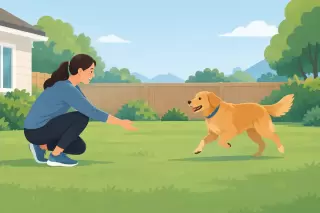
Five focused minutes can be more productive than 30 distracted minutes. Dogs learn best when training is clear, timely, and repeated often. A few repetitions before breakfast, two minutes at the front door, and a short recall game in the yard can add up quickly.
End while your dog is still successful. If your puppy sits nicely three times, celebrate that progress and move on. If a high-energy dog is having trouble focusing, reduce the distraction rather than repeating the cue louder and louder. Training should feel understandable, not like a test the dog keeps failing.
Treats can be very useful during the learning stage, especially around distractions. They are not a bribe when used properly. They are feedback that tells your dog, “Yes, that is the choice we wanted.” As the skill becomes reliable, rewards can vary between food, praise, a favorite toy, a sniff break, or access to something the dog enjoys.
Practice the Skills That Make Family Life Easier
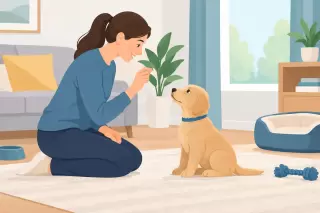
A reliable “come” is one of the most valuable skills a family dog can have, but it needs practice before it is needed. Begin inside with a cheerful voice and very short distances. When your dog comes to you, reward generously. Avoid calling your dog only when playtime is ending, a bath is coming, or they are in trouble. That can make coming to you feel like bad news.
For jumping, teach an alternate behavior before visitors arrive. A sit or a place on a bed gives your dog a clear job when the door opens. During practice, keep greetings calm and brief. If your dog jumps, remove attention by turning away or stepping back, then reward as soon as paws return to the floor. The timing matters more than a long lecture.
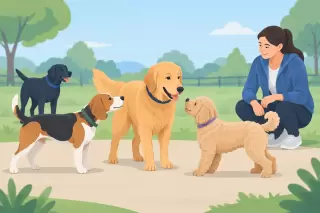
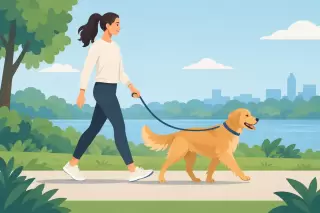
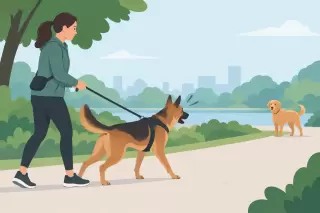
Leash manners also begin before the walk. If your dog becomes wildly excited at the sight of the leash, pause and wait for a moment of calm before moving forward. Outside, a dog may need to start in a quieter area before they can succeed near other dogs, squirrels, traffic, or children on bikes. There is a trade-off here: slower walks with more practice may feel inconvenient at first, but they create safer and more enjoyable walks over time.
For food stealing, management is part of training. Keep counters clear when possible, use a gate or a designated place during meal preparation, and reward your dog for settling away from the kitchen. Expecting a dog to ignore a roast left at nose level is not fair training. Set the environment up for success while you teach the behavior you want.
Make the Rules Realistic for Your Family
The best plan is one your household can actually maintain. If everyone loves having the dog on the couch, couch access does not need to be the battle you choose. You can teach an invitation cue so the dog understands when it is welcome and when it needs to settle elsewhere.
Think through situations that tend to create disagreement. Is the dog allowed to greet visitors at the door? Can the dog sleep in a child’s room? Who walks the dog when the usual person is away? Agreeing on these details prevents the dog from receiving different answers from different people.
It also helps to set expectations based on your dog’s age, breed tendencies, history, and temperament. A young puppy will need more frequent breaks and more supervision than an adult dog. A reactive dog may need a carefully structured plan around triggers, rather than being pushed into crowded situations. Progress is rarely a straight line, especially when life gets busy, guests visit, or routines change.
When In-Home Guidance Makes a Difference
Some behavior challenges are difficult to solve from general advice because the details matter. A dog may jump only when the kids arrive home, guard food only around another pet, bark at sounds near a particular window, or pull hardest on one family member. Training where those problems happen can reveal what is triggering the behavior and what needs to change.
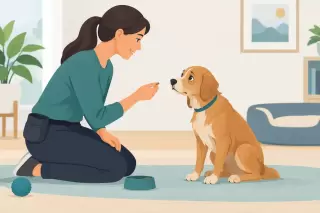
Personalized in-home training is especially helpful when family members need coaching as much as the dog does. A trainer can show you how to handle the leash, reward at the right moment, use clear cues, and adjust the home setup. For families in Durham Region, K9 Manners focuses on these real household situations so the plan fits the dog, the people, and the routines already in place.
Professional help is also a wise choice when behavior involves fear, aggression, intense reactivity, or a risk of injury. These situations deserve a thoughtful assessment and a plan that prioritizes safety. Waiting for a dog to “grow out of it” can allow the pattern to become more established.
A calmer home does not require perfect schedules or hours of daily drills. It comes from a few repeatable moments where your dog understands what earns attention, access, and reward. Start with the next routine you already have, make one expectation clear, and let that small success become part of your family’s day.