The cue was perfect in the quiet living room yesterday. Today, the doorbell rings, someone opens a snack, and your dog suddenly acts as though they have never heard their name. To train dog around household distractions, you need more than repetition. You need to show your dog, gradually and clearly, that listening still pays when real life gets busy.
That work belongs in the home because that is where most dogs struggle. A dog who sits nicely during a focused practice session may jump on visitors, steal food from the counter, or ignore recall when children are moving through the kitchen. Those are not signs that your dog is stubborn or that training has failed. They tell you the distraction is currently more rewarding or more difficult than the cue.
Why household distractions change your dog’s behavior
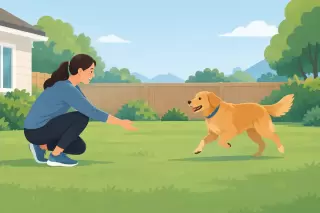
Dogs do not automatically apply a lesson from one situation to every other situation. A dog may understand “come” when you are standing a few feet away in a quiet hallway, yet hesitate when they are sniffing the backyard or racing toward a dropped piece of toast. The cue is the same, but the picture is completely different from your dog’s point of view.
At home, distractions also arrive without warning. The delivery driver comes to the door. A cat walks past. Someone starts the vacuum. Dinner is being prepared. This is why practical obedience needs to be built in small, planned steps before you expect it to hold up during the busiest moments of the day.
The goal is not to make your dog ignore everything around them. A healthy dog will notice sounds, people, food, and movement. The goal is to help them notice the distraction, then choose to check in with you and follow a familiar cue.
Start where your dog can succeed
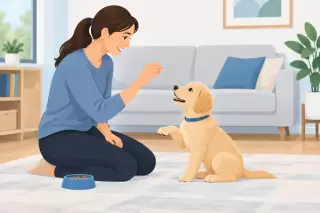
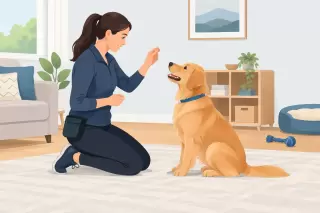
Begin with a skill your dog already knows reasonably well, such as name response, sit, down, stay, place, or come. Practice in a low-distraction room at first, with short sessions that end while your dog is still engaged. Use a reward your dog genuinely values. For some dogs, kibble is enough indoors. For others, small soft treats, a favorite toy, or access to something they want may be more motivating.
Give the cue once, then reward promptly when your dog responds. Repeating “sit, sit, sit” teaches many dogs that the first word is optional. If your dog does not respond, do not correct or lecture them. Make the next attempt easier by moving farther from the distraction, lowering the activity level, or choosing a better reward.
This is where many well-meaning owners move too quickly. If your dog can hold a stay for 30 seconds in silence, it does not mean they are ready to hold it while the kids run through the room. Add one small challenge at a time: a person standing up, a toy on the floor, a little more distance, or a few seconds longer before the reward.
Use a simple distraction ladder
Think of distractions as levels, not all-or-nothing tests. You might begin with a family member sitting quietly across the room. Next, that person can stand and walk slowly. Later, they can carry a toy, open a cupboard, or enter through the front door.
If your dog loses focus at a new level, go back one step. That is not going backward in training. It is giving your dog enough support to understand the right choice. Repeated success builds reliability much faster than repeatedly putting your dog in situations they cannot handle.
Teach focus before asking for obedience
A dog cannot follow a cue they have not noticed. Before working on sits and stays around activity, teach your dog that looking at you is worthwhile.
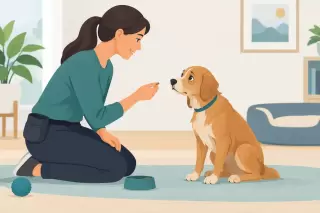
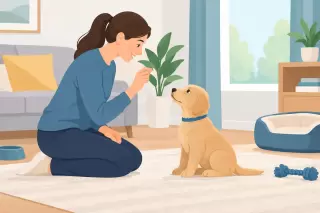
Say your dog’s name once in a calm voice. The moment they turn toward you, mark that choice with praise such as “yes” and give a reward. Practice when nothing exciting is happening, then try it while a family member moves nearby. Over time, your dog learns that hearing their name means, “Check in with my person.”
You can also reward voluntary check-ins. If your dog looks up at you while you are cooking, folding laundry, or standing in the yard, quietly acknowledge it and reward it. These moments are valuable because your dog is choosing connection without being asked.
Avoid using your dog’s name as a warning or a sign that trouble is coming. If “Buddy!” is usually followed by yelling, nail trimming, or being removed from fun, your dog may learn to tune it out. Keep their name positive and use a separate cue for behaviors such as “leave it,” “off,” or “come.”
Practice the moments that cause problems
The best way to train around household distractions is to rehearse the exact situation in a controlled version. If your dog jumps when guests arrive, do not wait for a holiday gathering to address it. Ask one friend or family member to help you practice short arrivals.
Have your dog on leash or behind a gate if needed. Before the helper enters, ask for a simple behavior your dog can do, such as going to a bed or mat. Reward calm paws on the floor and calm attention. If the dog surges toward the door, the visitor can simply step back out. The reward for calm behavior is access to the person. The consequence of jumping is that the greeting pauses.
For food stealing or begging, management matters just as much as training. Keep food out of reach, use a gate during meal preparation, or send your dog to a mat with a chew or stuffed food toy. Every successful counter-surfing attempt strengthens the habit, so preventing practice protects your training.
If the vacuum creates barking or chasing, start with the vacuum turned off at a distance. Reward your dog for looking at it calmly, then looking back at you. Later, move it slightly. Only introduce the sound when your dog is comfortable with the earlier steps. For a fearful dog, pushing through the reaction can make the concern worse. Go slowly and watch for signs of stress, such as retreating, stiffening, excessive barking, or refusing food.
Build a reliable “place” cue for busy times
A place cue gives your dog a clear job when household activity rises. It can mean going to a bed, mat, or raised cot and remaining there until released. This is especially useful during cooking, deliveries, visitors, children’s playtime, and meals.
Start by rewarding your dog for stepping onto the mat. Then reward them for remaining there briefly. Add a release word, so your dog understands when the exercise is over. Once the behavior is easy, begin taking one step away, sitting down, opening a cabinet, or walking past the mat.
Do not expect a long stay immediately. A young puppy may only manage a few seconds at first, while an energetic adolescent dog may need frequent rewards to stay successful. The practical payoff comes from consistency. When the doorbell rings, “place” becomes more useful when it has already been practiced during ordinary, low-pressure moments.
Match the reward to the challenge
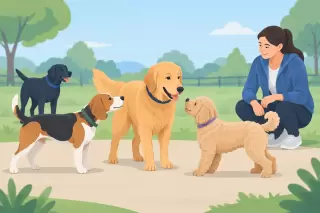
The harder the distraction, the better the reason your dog needs to listen. Asking for a quick sit while you hold a treat is easy. Asking for a recall away from another dog, a squirrel, or a family barbecue is much harder.
Save higher-value rewards for higher-value challenges. Tiny pieces of chicken, cheese, or another safe favorite can help your dog see that turning away from the distraction is worthwhile. You do not need to use special food forever, but it is reasonable to pay well while your dog is learning a difficult skill.
Real-life rewards count too. A dog who sits calmly before going outside can be released to sniff. A dog who waits on their mat while you prepare dinner may be released to greet a family member afterward. This helps obedience become part of daily routines rather than something that happens only when treats are visible.
Keep training short, calm, and consistent
Five focused minutes woven into the day often work better than one long session when everyone is tired. Ask for a check-in before opening the back door. Practice place while you put away groceries. Reward calm behavior when the family sits down to eat.
Consistency across the household matters. If one person invites the dog onto the couch while another scolds them for it, the dog receives mixed information. Decide which rules matter most to your family, use the same cues, and make sure everyone knows how to reward the behavior you want.
Some distractions are simply too difficult at the moment. A dog who is overstimulated, frightened, overtired, or bursting with energy may need management instead of another training test. A leash, crate, gate, quiet room, or chew can give everyone a reset. Management is not giving up. It prevents rehearsing unwanted behavior while you build the skills needed for the next attempt.
When personalized help makes a difference
If your dog consistently ignores cues around visitors, reacts strongly to household movement, guards food, or becomes difficult to manage during everyday routines, an in-home training plan can be especially helpful. A trainer can see the layout, routines, family interactions, and specific triggers that a group class cannot recreate.
K9 Manners works with owners in the environment where these challenges happen, helping families practice clear communication around the door, kitchen, yard, and daily routines. The right plan depends on your dog’s age, temperament, history, and the demands of your household.
The calm home you want is usually built through small choices: one successful check-in, one controlled greeting, one quiet moment on the mat. Give your dog clear information, make the next step achievable, and let those everyday repetitions do their work.